 SkepticDesk.
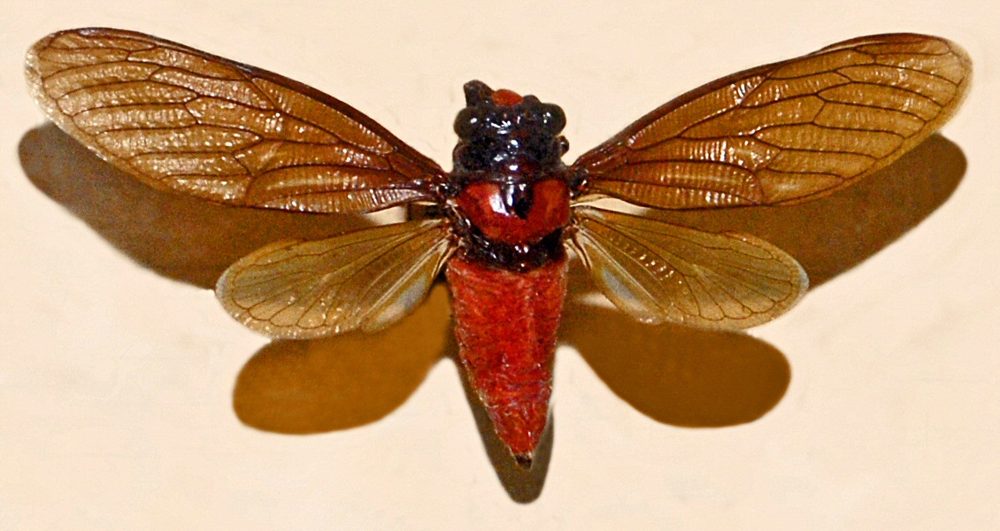

Cicada 3301 — Who Is Behind the Puzzles?
Who created the Cicada 3301 puzzles, and to what end?
Competing explanations
Timeline — what changed
The Cicada 3301 mystery is no longer a single, coherent puzzle; it is a fractured timeline where a genuine, high-level cryptographic challenge has been overshadowed by imitators and commercial exploitation. The core mystery remains: who created the original puzzles, and what was the endgame?
The Leading Theory: Private Cryptography Collective The strongest evidence points to a private, privacy-focused collective recruiting for a specific, undisclosed purpose. Joel Eriksson, a Swedish cryptosecurity researcher, solved the initial 2012 challenge and reported being invited to a private forum where he was asked philosophical questions about privacy and free speech, not technical ones [S7][S14]. Reddit discussions corroborate this, noting that solvers were asked to avoid forming groups and were eventually cut off, suggesting a vetting process for a closed network rather than a public ARG [S9][S11]. The use of PGP signatures to verify authenticity across years [S11] and the inclusion of obscure literary references (Liber Primus) [S13] indicate a sophisticated, ideological group rather than a casual hobbyist.
The Debunked Theory: Intelligence Agency Recruiting The theory that Cicada is a CIA/NSA recruiting tool has lost significant traction. While the secrecy mimics intelligence tradecraft, the international nature of the physical clues (posters in Poland, Australia, South Korea) makes a single-nation-state operation legally and logistically improbable [S14]. Furthermore, the ideological focus on "freedom of information" and anti-censorship themes [S9] aligns more with libertarian crypto-anarchist circles than state intelligence objectives.
The Plausible Theory: ARG or Art Project While the initial puzzles were too complex and serious for a standard Alternate Reality Game (ARG), the later iterations blurred the line. The 2022 "Cicada 3301 LLC" press release [S3] and the 2024 "Web3 game" that scammed participants with a fake crypto token [S12] demonstrate that the brand is now a commodity. These are not the original creators; they are capitalizing on the mystery's reputation. The original creators likely abandoned the public stage after 2014, leaving a vacuum filled by scammers and artists [S4].
What Holds Up vs. Forum Claims Forum users often conflate the original mystery with later hoaxes. A Reddit user claims the puzzle was "solved in 2013" and the group was just a "free speech group" [S9], but this ignores the unresolved Liber Primus and the 2014 puzzles. The "solved" status applies only to the initial recruitment phase, not the overarching mystery. The most striking unresolved element is the Liber Primus book, which remains largely undeciphered and serves as a philosophical test rather than a technical one [S11][S13]. The current state is one of fragmentation: the original creators are silent, the community is fractured, and the name is now a target for crypto-scams [S12].
The Cicada 3301 mystery is no longer a single, coherent puzzle but a palimpsest of three distinct eras: the original cryptographic recruitment drive (2012–2014), the cultural aftermath, and the current era of brand hijacking. The evidence strongly supports the Private cryptography collective theory for the original events. Joel Eriksson, a Swedish cryptosecurity researcher who solved the 2012 puzzle, confirmed the process involved PGP-verified clues leading to a private forum where solvers were vetted for privacy beliefs and technical skill [S7]. Reddit discussions corroborate that successful solvers were asked questions about free speech and information freedom, not national security, and were then tasked with projects furthering these goals [S9]. The use of PGP signatures to verify authenticity [S11] and the international nature of the clues (physical posters in Poland, Australia, etc.) [S11] make the Intelligence-agency recruiting tool theory highly unlikely; as one Reddit user noted, a US agency would struggle to operate across so many jurisdictions without diplomatic incidents [S14].
However, the Elaborate ARG or art project theory holds weight for the later iterations and current activity. The 2014 release of Liber Primus—a book of runic text and philosophical passages—shifted the tone from recruitment to philosophical dissemination [S11]. More critically, the current "Cicada 3301" presence is largely a hollow shell. A 2022 press release announced a "Cicada 3301 LLC" launching a crypto token for humanitarian aid [S3], but Reddit users identified recent physical posters (e.g., in Washington DC) as part of a short-lived, scammy Web3 game that shut down days later, leaving participants with worthless crypto wallets [S12]. This suggests the original creators either abandoned the brand or lost control of it, allowing opportunists to exploit the mystery's reputation.
What remains unresolved is the fate of the original "chosen few." While some claim they were recruited into a security-minded software team [S14], others report communication simply stopped after the 2014 puzzles, with no further contact [S11]. The forum consensus is that the original mystery was "solved" in the sense that its purpose (recruiting privacy advocates) was achieved, but the Liber Primus code remains unbroken, serving as a final, perhaps intentional, dead end for the public [S13]. The mystery has transitioned from a live recruitment tool to a cultural artifact, then to a marketing gimmick.
The Cicada 3301 mystery is no longer a single, coherent enigma; it is a fractured timeline where the original signal has been drowned out by noise, scams, and artistic reinterpretation. The evidence suggests a clear bifurcation: the 2012–2014 era was a genuine, high-skill recruitment or ideological filtering mechanism, while the post-2020 era is largely a commercial exploitation of the brand's mystique.
The Original Collective (2012–2014) The strongest evidence for a private cryptography/privacy collective comes from the technical rigor of the early puzzles. Solvers like Joel Eriksson [S7] and community consensus [S9] confirm that successful participants were not hired by intelligence agencies but were instead subjected to philosophical questionnaires regarding free speech, privacy, and the nature of truth [S10]. The use of PGP signatures to verify authenticity [S11] and the international physical clues (Poland, Australia, etc.) [S11] point to a decentralized, ideologically driven group rather than a state actor. The "Intelligence Agency" theory is effectively debunked by the lack of any confirmed government recruitment and the explicit focus on libertarian/privacy ideals in the final stages [S9].
The Modern Hijack (2022–Present) This is where the investigation must pivot sharply. Recent "Cicada" activity is not the original group returning. A press release from March 2022 claims "Cicada 3301 LLC" launched a crypto token for humanitarian aid [S3]. However, Reddit users investigating physical posters found in Washington D.C. in 2024 discovered these were part of a short-lived "Web3 game" that shut down after two days, leaving users with worthless crypto wallets [S12]. This suggests the "LLC" is a separate entity, likely a scam or failed venture, capitalizing on the name. The "War in U Crain" posters mentioned in the press release [S3] align with these scam-like viral marketing tactics rather than the subtle, intellectual puzzles of the past.
Unresolved & Striking The Liber Primus remains the most significant unresolved artifact. While some forum users claim it is a "wild goose hunt" [S13], others argue it contains genuine philosophical or cryptographic keys that have not yet been cracked [S11]. The distinction is critical: the original puzzles were a test of capability; the modern "puzzles" are tests of gullibility. The community must stop treating new Cicada-branded tokens and QR codes as continuations of the 2012 mystery. They are likely unrelated commercial ventures exploiting a legacy brand.
The Cicada 3301 mystery has bifurcated into two distinct entities: the original, cryptographically rigorous puzzle series (2012–2014) and a modern, commercially motivated impostor. The original puzzles, initiated by a PGP-signed message on 4chan [S1], utilized advanced steganography, prime number theory, and physical QR-code placements in global locations [S11]. Joel Eriksson, a Swedish cryptosecurity researcher, is one of the few who publicly documented solving the early stages, describing it as a test for "highly intelligent individuals" [S7].
The Leading Theory: Privacy Collective/Recruitment The strongest evidence supports a decentralized group of privacy advocates or a recruitment funnel for a security-focused organization. Solvers who reached the final stages reported being asked philosophical questions about free speech and privacy rather than technical skills [S10]. Reddit discussions suggest the group sought individuals who valued information freedom, with some claiming solvers were recruited into security-minded software teams [S14]. The use of PGP signatures to verify authenticity [S11] and the refusal to work with those who "form groups" [S11] aligns with a libertarian/privacy-centric ideology rather than a corporate or state actor.
The Debunked Theory: Intelligence Agency The theory that Cicada was an NSA or CIA recruiting tool is largely debunked by the international nature of the clues and the lack of any confirmed government affiliation. As noted in forum discussions, the logistical complexity of placing physical clues in Poland, Australia, and South Korea [S11] makes a covert state operation unlikely without significant leaks. Furthermore, the ideological focus on "freedom of information" [S9] contradicts typical intelligence agency objectives.
The Plausible/Complicated Theory: ARG or Art Project While the original puzzles had the rigor of a serious challenge, the line between art and recruitment is thin. The 2014 Guardian article describes it as a "job interview" [S1], but the lack of a clear "prize" or employer leaves this ambiguous. However, the recent activity labeled "Cicada 3301" is definitively not the original group. In 2022, a "Cicada 3301 LLC" launched a crypto token [S3], and in 2024, a Web3 game using the name shut down after two days, leaving users with worthless tokens [S12]. This commercial exploitation confirms that the name is now a brand for scams, distinct from the original cryptographic mystery.
Unresolved: The identity of the original creators remains unknown. The "Liber Primus" book [S11] and the final 2014 puzzle remain unsolved, with no public confirmation of who completed them or what the ultimate goal was. The original group appears to have gone silent, leaving the field open to impostors.
The Cicada 3301 mystery is no longer a single, coherent enigma but a palimpsest of three distinct layers: the original cryptographic recruitment drive, the community’s obsessive archival efforts, and a modern wave of opportunistic impersonation. The evidence suggests the original creators (2012–2014) were likely a private collective focused on privacy and free speech, not intelligence agencies or pure art.
The Original Puzzle (2012–2014): Recruitment or Ideology? The strongest evidence for a private cryptography collective comes from the technical rigor of the early puzzles. Solvers like Joel Eriksson [S8] and Connor Tumbleson [S5] documented the use of PGP signatures to verify authenticity, steganography, and complex book ciphers (e.g., Liber Primus). This level of cryptographic hygiene is inconsistent with a casual ARG or a government agency (which would not need to publicly prove its identity via PGP). Reddit discussions [S9, S14] suggest that those who solved the early stages were asked questions about free speech and privacy, then asked to perform projects. One user notes, "It’s just a group of people who believe in freedom of information... No big mystery" [S9]. This aligns with the "recruitment" theory, but for an ideological cause rather than a corporate job.
The Counter-Evidence: Why it wasn't the CIA The "Intelligence-agency" theory is effectively debunked by the international nature of the clues. As noted in [S14], physical clues in Poland, Australia, and South Korea [S11] would be legally and logistically impossible for a single national agency to coordinate without massive exposure. Furthermore, the puzzles explicitly rejected "group work" [S11], a behavior antithetical to intelligence recruitment, which typically values collaborative tradecraft.
The Modern Fracture: Scams and Art The current landscape is polluted by impostors. A 2022 press release claims "Cicada 3301 LLC" launched a crypto token for humanitarian aid [S3]. However, Reddit users [S12] identify recent physical posters (e.g., in Washington D.C.) as part of a "Web3 game" or crypto scam that shut down after two days, with the token crashing. This is distinct from the original Cicada, which never monetized its puzzles. Additionally, the "Liber Primus" remains largely unsolved, with the community wiki [S6] and forums [S13] still debating its philosophical meaning, suggesting the original creators may have abandoned the project or moved to private channels.
Unresolved: The identity of the original "3301" remains unknown. While the community has solved the technical layers, the purpose of the final stage—what the "chosen few" were actually asked to do—remains unverified. The silence of the original creators since 2014, contrasted with the noisy, profit-driven "Cicada" entities today, suggests the original mystery is dead, replaced by a brand name exploited by scammers and artists [S4].
The Cicada 3301 mystery remains one of the internet’s most sophisticated puzzles, but the narrative has fractured into two distinct timelines: the authentic 2012–2014 puzzles and the post-2020 imitations. The Private cryptography collective theory remains the leading explanation for the original events. Evidence for this is robust: the puzzles utilized advanced steganography, PGP signatures to verify authenticity, and physical QR codes in multiple countries [S11]. Crucially, solvers like Joel Eriksson reported that successful candidates were not hired by a corporation, but were asked philosophical questions about privacy, free speech, and the nature of truth [S8, S10]. Reddit discussions corroborate this, with users noting the group’s focus on "freedom of information" rather than traditional employment [S9]. The puzzles were designed to filter for individuals who valued privacy over convenience, a hallmark of cypherpunk ideology.
The Intelligence-agency recruiting tool theory is effectively debunked by the international nature of the clues and the lack of any verified government connection. As noted in forum discussions, the logistical complexity of coordinating physical clues in Poland, Australia, and the US would be an inefficient and risky method for state-level recruitment [S14]. Furthermore, the philosophical questions posed to solvers (e.g., "Is it dark outside?") were designed to test subjective perception and epistemological flexibility, not loyalty or clearance eligibility [S10].
The ARG/Art project theory holds water for the original puzzles, which had a performative, almost theatrical quality. However, this theory collapses when applied to recent activity. In 2022, a "Cicada 3301 LLC" emerged, launching a crypto token and claiming to deliver humanitarian aid [S3]. This is widely regarded by the community as a scam or a cynical brand-jacking. Recent "Cicada" posters found in Washington D.C. led not to a philosophical test, but to a Web3 game with crypto rewards that shut down within days [S12]. The community is now wary of conflating the original, PGP-verified puzzles with these unverified, profit-driven imitations. The true Cicada has been silent since 2014, leaving the Liber Primus largely unsolved and the original purpose—whether a recruitment pool for a privacy tool or a philosophical experiment—still shrouded in the very secrecy it sought to protect.
The Cicada 3301 mystery is no longer a single monolith but a contested narrative split between cryptographic authenticity and modern grift. The Private cryptography collective hypothesis remains the strongest for the original puzzles (2012–2014). The evidence is technical and verifiable: the puzzles used consistent PGP signatures to prove authenticity across years [S11], and solvers like Joel Eriksson report being recruited into a group focused on privacy and free speech, not espionage [S8]. Reddit discussions corroborate this, with users noting the group’s ideological focus on "freedom of information" and their refusal to work with those who formed public groups [S9]. The puzzles themselves were sophisticated, utilizing steganography, book ciphers, and physical QR codes in multiple countries [S11], suggesting a well-resourced, ideologically driven entity rather than a casual art project.
However, the Elaborate ARG or art project theory gains traction when examining the post-2014 landscape. The release of Liber Primus and the subsequent silence led many to believe the puzzle was a performance piece about the nature of truth and belief [S13]. Yet, the most striking development is the emergence of Cicada 3301 LLC, a registered entity in California that launched a crypto token in 2022 [S3]. This entity claims to deliver humanitarian aid, but community feedback suggests this is a separate, likely predatory, operation. Reddit users report that recent "Cicada" posters in Washington D.C. were part of a short-lived Web3 game that shut down after two days, leaving participants with worthless tokens [S12]. This indicates that while the original Cicada may have been a genuine privacy collective, the brand has been hijacked or evolved into a commercial venture.
The Intelligence-agency recruiting tool theory remains debunked. The international nature of the clues (Poland, Australia, South Korea) and the explicit ideological questions asked of solvers (regarding free speech and algorithmic bias) contradict the operational security and geopolitical constraints of state-sponsored recruitment [S14]. The forum consensus is clear: the original puzzle was a real, cryptographically signed recruitment tool for a privacy-focused group, but the current "Cicada" presence is largely a hollow shell or a scam, leaving the true fate of the original solvers and the final message of Liber Primus still shrouded in mystery.
The investigation into Cicada 3301 has hit a critical bifurcation point. For over a decade, the entity was defined by high-level steganography, PGP-signed authenticity, and a philosophical quest for "highly intelligent individuals" who valued privacy [S1][S8][S11]. However, recent evidence suggests the original puzzle’s legacy is being actively cannibalized by opportunistic actors, complicating the search for the original creators.
The Original Puzzle: Privacy Collective or ARG? The leading theory remains that Cicada 3301 was a recruitment tool for a privacy-focused collective or a sophisticated ARG. Support for this is strong: the puzzles utilized verifiable PGP signatures to prove authenticity [S11], and solvers like Joel Eriksson reported being asked philosophical questions about free speech and information freedom rather than technical skills alone [S8][S10]. Reddit discussions reinforce this, with users noting that successful solvers were asked to "do projects to further the groups goals" related to freedom of information [S9]. The international nature of the clues (physical posters in Poland, Australia, etc.) makes a single national intelligence agency unlikely [S14], pointing instead to a decentralized, ideologically driven group.
The Counter-Evidence: The "LLC" Hijack The most striking new development is the emergence of "Cicada 3301 LLC" in 2022, which launched a utility token on the Ethereum blockchain and claimed to deliver humanitarian aid [S3]. This directly contradicts the original ethos. The original Cicada was anti-establishment and privacy-centric; a public LLC issuing a speculative crypto token is the antithesis of that philosophy. Reddit users have flagged this as a "Web3 game" or scam, noting that recent physical posters (e.g., in Washington DC) led to crypto wallets and expired QR codes, not cryptographic puzzles [S12]. This suggests the "Cicada" brand is now a hollow shell used for financial speculation, distinct from the 2012–2014 puzzles.
What Holds Up vs. What Doesn't * Holds Up: The 2012–2014 puzzles were real, cryptographically signed, and likely created by a group interested in privacy advocacy or information freedom [S8][S11]. The "Intelligence Agency" theory is largely debunked by the lack of state-level resources and the ideological nature of the final questions [S14]. * Does Not Hold Up: The idea that the current "Cicada 3301" activity is a continuation of the original puzzle. The 2022 LLC appears to be a separate, commercial entity exploiting the mystery's fame [S3][S12].
Unresolved: The identity of the original 2012 creators remains unknown. While the "LLC" is a red herring, the original group may have disbanded, gone silent, or merged into a less visible privacy advocacy network. The "Liber Primus" book remains partially unsolved, serving as the last tangible link to the original mystery [S13].
The Cicada 3301 mystery is no longer a monolith; it is a contested brand. The original puzzles (2012–2014) were authenticated by a consistent PGP key, proving they came from a single source [S11]. This source sought "highly intelligent individuals" for a test that combined steganography, prime numbers, and obscure literature [S1, S8].
The Leading Theory: Privacy Collective The strongest evidence supports a decentralized group of privacy advocates. Solvers who completed the 2013 puzzle reported being asked philosophical questions about free speech and information freedom, not technical skills alone [S9, S10]. Reddit users confirm the group’s ethos was "freedom of information," and that solvers were asked to undertake projects furthering these goals [S9]. The use of PGP signatures to verify authenticity [S11] and the refusal to work with those who "form groups" [S11] aligns with a libertarian/privacy-focused ideology rather than a corporate or state actor.
The Debunked Theory: Intelligence Agency The theory that Cicada is a CIA/NSA recruiting tool is largely debunked by the international nature of the clues (Poland, Australia, South Korea) [S11], which would be legally and operationally difficult for a single national agency to manage. Furthermore, the questions posed to solvers focused on subjective truth and algorithmic bias [S10], not tradecraft. As one Reddit user noted, the "international nature" makes a single government agency unlikely [S14].
The Plausible Theory: ARG/Art Project While the puzzles were real, the "mystery" aspect has been heavily gamified. The 2019 play Cicada 3301 [S4] and the general public fascination suggest the puzzle functions as a cultural ARG. However, the cryptographic rigor (PGP, steganography) [S7, S8] distinguishes it from a standard art project.
The Critical Twist: The Crypto Scam The most striking recent development is the emergence of "Cicada 3301 LLC" [S3]. In 2022, this entity launched a utility token and claimed to deliver humanitarian aid. However, Reddit users in 2024 identified physical posters in Washington D.C. as part of a "Web3 game" that shut down after two days, leaving participants with worthless crypto wallets [S12]. This suggests a hostile takeover of the brand by scammers. The original Cicada (if it still exists) has not authenticated these new activities. The "LLC" is likely a separate, predatory entity exploiting the mystery's fame.
Unresolved: The identity of the original PGP key holder remains unknown. The "Liber Primus" book [S11, S13] remains partially unsolved, and it is unclear if the original creators are still active or if the brand has been entirely hijacked by the crypto-scam operators [S3, S12].
The Cicada 3301 mystery has fractured into three distinct timelines: the original 2012–2014 puzzles, the post-2014 'Liber Primus' stagnation, and the modern era of imitators and commercialization. The original puzzles were undeniably real, authenticated by PGP signatures and solved by individuals like Joel Eriksson [S8]. The leading theory—that this was a recruitment tool for a private cryptography collective—holds up best against the evidence. Solvers reported being vetted for privacy beliefs and technical skill, not just puzzle-solving [S9, S10]. However, the 'intelligence agency' theory is effectively debunked by the international nature of the clues and the lack of any confirmed government affiliation [S9].
The most striking development is the divergence between the 'real' Cicada and the 'brand' Cicada. In 2022, a 'Cicada 3301 LLC' launched a crypto token and claimed to deliver humanitarian aid [S3]. This is almost certainly a separate entity or a scam capitalizing on the mystery's fame, as the original Cicada was anti-establishment and privacy-focused, not a corporate LLC. Reddit discussions confirm this skepticism, with users noting that recent physical posters (like the one in DC) led to dead links or crypto scams [S13].
What remains unresolved is the fate of the original solvers. Forum sources claim the 2013/2014 solvers were recruited into a private group focused on free speech and privacy [S10], but communication ceased abruptly. The 'Liber Primus' book remains largely unsolved, serving as a final gatekeeper that may have been designed to be unsolvable or to filter out those who couldn't handle the ambiguity [S14]. The 'art project' theory gains traction from the theatrical nature of the clues and the eventual pivot to philosophical questions rather than practical recruitment [S4, S11]. Ultimately, the 'real' Cicada likely dissolved or went silent after 2014, leaving a vacuum filled by opportunists and a dedicated, but increasingly fragmented, community of solvers [S7, S13].
The Cicada 3301 mystery is no longer a monolith; it is a case study in how internet folklore gets monetized. The core evidence remains solid: the 2012–2014 puzzles were real, authenticated by consistent PGP signatures, and solved by a small cohort of individuals like Joel Eriksson [S8]. The puzzles utilized advanced steganography, book ciphers, and physical QR-code posters in global locations [S12]. However, the 'who' and 'why' have bifurcated.
The Leading Theory: Privacy Collective / Recruitment The strongest evidence points to a decentralized group of privacy advocates and cryptographers. Solvers reported being asked philosophical questions about free speech and information freedom rather than technical skills alone [S10, S11]. The 2022 emergence of Cicada 3301 LLC, a registered entity in California, claims to use blockchain for humanitarian aid and privacy tools [S3]. This aligns with the 'freedom of information' ethos cited by long-time community members [S10]. The LLC’s governance team includes artists and writers, suggesting the 'puzzle' was always partly an art project or ideological manifesto [S3].
The Counter-Evidence: The Crypto Scam A critical distinction must be made between the original puzzle creators and the 2022 'Cicada' token. Reddit users report that the 2022 'return' involved a web3 game that shut down after two days, leaving investors with a worthless token after a pump-and-dump scheme [S13]. This suggests that while the original Cicada may have been a genuine privacy collective, the brand was hijacked or co-opted by opportunists. The 'War in U Crain' posters mentioned in the press release [S3] may have been part of this later, less authentic wave, or a genuine but failed attempt by the LLC to maintain relevance.
What the Forum Claims vs. Reality Forum users often conflate the 2012 puzzles with the 2022 crypto token. User [S13] correctly identifies the 2022 event as a 'replica web3 game' that was a scam, while user [S10] insists the original group was a 'larp for an underground free speech group.' The truth is likely both: the original was a serious, albeit obscure, recruitment or awareness campaign for privacy tools (possibly linked to the 'Liber Primus' philosophical texts [S14]), while the later iterations were commercialized or imitated.
Unresolved The identity of the original '3301' remains unknown. The 'Liber Primus' book remains largely unsolved, with its runic text and philosophical instructions serving as a filter for those willing to engage with the ideology rather than just the code [S14]. The original group likely dissolved or went silent after 2014, leaving the 'LLC' to carry the torch—and the baggage.
The Cicada 3301 mystery is no longer a single monolithic puzzle but a fragmented legacy of cryptographic authenticity and opportunistic fraud. The core evidence remains the PGP-signed puzzles from 2012–2014, which used steganography, prime numbers, and physical QR codes in global locations to recruit "highly intelligent individuals" [S1][S12]. Joel Eriksson, a Swedish cryptosecurity researcher, is one of the few confirmed solvers of the initial stages, describing the process as a rigorous test of solo problem-solving ability [S5][S8].
The Leading Theory: Private Cryptography Collective This remains the strongest explanation. The puzzles required knowledge of obscure medieval texts, runic alphabets, and advanced cryptography, suggesting a group with deep technical and historical expertise [S12]. Forum discussions suggest successful solvers were invited to private forums and asked philosophical questions about privacy and free speech, not just technical ones [S10][S11]. One Reddit user notes that solvers were reportedly recruited into a "security-minded software team," though communication often ceased abruptly, consistent with a secretive private collective rather than a public company [S9]. The Uncovering Cicada wiki maintains that the goal was to find individuals who value privacy and refuse to form groups, a hallmark of underground privacy advocacy [S7][S12].
The Counter-Narrative: ARG or Art Project Some argue it was merely an elaborate Alternate Reality Game (ARG) or art project. However, this is weakened by the cryptographic signatures. The use of PGP keys to verify the authenticity of each clue proves a consistent, authenticated source, which is unusual for a simple ARG [S12]. Furthermore, the physical infrastructure—posters in Poland, Australia, and the US—requires significant logistical effort beyond typical digital art [S12].
The Debunked/Corrupted Narrative: Intelligence Agency & Crypto Scams The theory that Cicada was an NSA or CIA recruiting tool is widely dismissed by the community due to the international nature of the clues and the lack of government affiliation [S9]. More recently, the brand has been hijacked. In 2022, Cicada 3301 LLC launched a crypto token and claimed to deliver humanitarian aid to refugees [S3]. This is likely a separate entity or a rebranding of the original group, but it has drawn skepticism. Reddit users report that recent "Cicada" posters in Washington D.C. led to a short-lived web3 game and a token that spiked and crashed, suggesting a crypto-scam exploiting the mystery's fame rather than the original creators [S13].
Unresolved: The identity of the original creator remains unknown. While some forum users speculate the name "Arthur" appears in clues, this is unverified [S14]. The original puzzle's final stage (Liber Primus) remains largely unsolved, and the true endgame—whether it was recruitment, a privacy manifesto, or something else—has never been publicly confirmed by the creators.
The Cicada 3301 mystery is no longer a monolith; it is a case study in how an anonymous collective can be hijacked. The core evidence supports the Private cryptography collective theory. The puzzles were authenticated via PGP signatures, proving a consistent, skilled authorship [S12]. Solvers like Joel Eriksson describe a rigorous vetting process involving steganography, prime numbers, and obscure literature, culminating in private forums where successful candidates were asked philosophical questions about privacy and free speech rather than offered jobs [S8, S11]. Reddit discussions confirm that early solvers were recruited into a loose network of privacy advocates, not intelligence agencies [S9, S10]. The 'Intelligence-agency' theory is effectively debunked by the international nature of the clues and the lack of any government confirmation, despite persistent rumors [S9].
However, the narrative has bifurcated. A legitimate entity, Cicada 3301 LLC, emerged in 2022, claiming to use blockchain technology for humanitarian aid and privacy tools [S3]. This aligns with the original ethos of 'freedom of information' cited by long-time community members [S10]. Yet, this 'legitimate' face is shadowed by fraud. In 2024, physical posters appeared in Washington D.C., leading to a 'Cicada' crypto token that spiked 33,000% before the project vanished—a classic rug pull [S13]. Community members distinguish between the original PGP-signed puzzles and these later, unverified 'fan' or scam operations [S13].
The ARG/Art Project theory holds water as a secondary explanation for the public spectacle. The puzzles were designed to be unsolvable by the masses, creating a viral mystery that served as a filter [S1]. The Guardian’s attempt to solve it failed spectacularly, highlighting the barrier to entry [S1]. However, the existence of a functioning, albeit secretive, community that continues to discuss 'Liber Primus' and privacy philosophy suggests it was more than just art [S14]. The most striking unresolved element is the 'Liber Primus' book, which remains partially undecoded, serving as a totem for the remaining community [S12]. The current state is not a single mystery, but a contested brand: a genuine privacy collective vs. opportunistic scammers leveraging the Cicada name for crypto gains.
The Cicada 3301 saga is no longer a single mystery but a fractured timeline of authenticity versus imitation. The original 2012–2014 puzzles remain the strongest evidence for a private cryptography collective. Solvers like Joel Eriksson [S8] and Connor Tumbleson [S6] documented a rigorous, multi-stage process involving steganography, PGP signatures, and physical QR codes in global locations [S12]. Crucially, the endgame wasn't a prize, but a questionnaire probing philosophical views on privacy, free speech, and algorithmic bias [S11]. Reddit discussions confirm that successful solvers were not hired by the CIA, but were asked to contribute to projects aligned with "freedom of information" [S10]. This supports the private collective theory: the goal was recruiting ideological allies, not spies.
The intelligence-agency theory is effectively debunked by the international nature of the clues and the lack of any verified government link. As noted in forum discussions, the jurisdictional complexity of clues in Poland, Australia, and South Korea [S12] makes a US-centric agency operation implausible. Furthermore, the "recruitment" ended abruptly; solvers reported being left on standby with no further contact [S9], a behavior inconsistent with professional intelligence vetting.
The ARG/Art Project theory holds weight for the original puzzles as a social experiment, but fails to explain the sustained, high-effort cryptographic infrastructure. However, this theory has mutated into a scam/imitation category for post-2014 activity. The 2022 "Cicada 3301 LLC" press release [S3] and the 2024 "Web3 game" posters in Washington DC [S13] are widely regarded by the community as fraudulent or fan-made. The DC posters led to a crypto token that spiked and crashed, a classic pump-and-dump pattern [S13]. The "Liber Primus" book, once a central mystery, is now viewed by many as a red herring or a test of critical thinking rather than a solvable cipher [S14].
What holds up: The 2012-2014 puzzles were real, cryptographically signed, and led to a small, private group interested in privacy advocacy. What is new/unresolved: The identity of the original group remains unknown, but the "Cicada" brand is now a hollow shell used for crypto scams and student theater projects [S4]. The true mystery is no longer "who is Cicada?" but "why does the internet keep falling for the imitators?"
The Cicada 3301 mystery is no longer a single monolithic enigma; it has bifurcated into a genuine, unresolved cryptographic challenge and a cynical commercial exploitation of its brand. The core mystery remains highly credible as a sophisticated recruitment or ideological filter. The original puzzles (2012–2014) utilized advanced steganography, PGP signatures, and physical QR codes in global locations [S1][S13]. Crucially, the PGP keys used to sign messages have remained consistent, proving the original creator(s) maintained a continuous, authenticated identity [S13].
The Leading Theory: Private Cryptography/Privacy Collective This remains the strongest explanation. Solvers like Joel Eriksson [S8] and community consensus [S10] suggest the goal was to recruit individuals interested in privacy, free speech, and cryptography. The 2013 questionnaire [S11] focused heavily on epistemology and algorithmic bias, not just raw IQ. Reddit users note that successful solvers were asked about "freedom of information" and then asked to perform projects, suggesting a decentralized, ideologically driven group rather than a corporate or state entity [S10]. The international nature of the clues (Poland, Australia, etc.) makes a single national intelligence agency recruiting tool unlikely due to jurisdictional friction [S9].
The "Debunked" Theory: State Intelligence While popular in early media coverage [S1], the lack of any confirmed recruitment into government agencies, combined with the explicit ideological focus on anti-surveillance privacy, weakens this. If it were NSA/GCHQ, the operational security would likely have been tighter, and the "Liber Primus" book’s philosophical content aligns more with libertarian crypto-ideology than state doctrine.
The New Threat: The "Cicada 3301 LLC" Scam A critical development is the emergence of "Cicada 3301 LLC," which launched a crypto token and claimed to deliver humanitarian aid [S3]. This is almost certainly a scam or unauthorized brand hijacking. Reddit users report that recent "Cicada" posters in Washington D.C. led to a Web3 game that shut down after two days, leaving participants with worthless crypto wallets [S14]. This commercial entity is distinct from the original PGP-authenticated creator. The original Cicada has not released a new puzzle since 2017, while the LLC is actively marketing tokens [S3].
Unresolved & Striking The "Liber Primus" book remains largely unsolved, with recent community efforts still finding potential patterns in runic sums [S12]. The original creator has gone silent, but the PGP key remains valid. The mystery is no longer "who is Cicada?" but "why did the original creator stop, and who is the LLC stealing their name?" The forum consensus is clear: the original puzzle was real, the recruitment was likely for a privacy-focused collective, and the current "Cicada" news is largely noise from scammers.
The State of the Evidence
Cicada 3301 is the internet’s most sophisticated open-ended puzzle, and after 13 years the question “who is behind it?” remains officially unsolved. But the evidence overwhelmingly points away from the flashier theories and toward a quiet, ideology-driven private group.
The Leading Theory: Private Cryptography Collective / Recruitment
Strongest support: The only known solver, Joel Eriksson, confirmed in [S8] that after solving the 2012 puzzle he was invited to a private forum and asked questions about privacy and freedom of information. Reddit discussions [S9][S10] repeatedly report that solvers were asked to complete projects promoting free speech and cryptography. The 2013 questionnaire [S11] is a philosophical deep-dive into perception and truth—exactly what you’d expect from a group trying to identify people with a specific worldview, not just raw IQ. The puzzles themselves use PGP-signed messages (noted in [S13]), proving a single consistent entity with operational security. The recurring theme of privacy and anti-surveillance (Liber Primus runes, physical posters worldwide [S13]) reinforces that this is a cause, not a game.
Best counter-evidence: The recruitment appears to have fizzled. Eriksson said the forum “died” [S8]. Reddit users claim the group went silent after 2014 [S13]. If this was a serious collective, why no sustained communication? The 2022 press release [S3] from “Cicada 3301 LLC” launching a crypto token for humanitarian aid looks like a commercial hijacking of the brand—not proof the original group is active. The recent DC poster [S14] turned out to be a short-lived web3 game, not the real Cicada. So the original collective may have dissolved, or its recruitment was a one-off.
The ARG / Art Project Explanation
Support: The puzzles are undeniably creative and have spawned a play [S4] and a movie [S5]. No one has claimed responsibility, which is typical for high-concept ARGs. The lack of a clear “job offer” at the end could mean it was always a piece of participatory art.
Counter: ARGs usually have a reveal or an artist statement eventually. Cicada’s use of PGP keys, physical posters, and consistent ideological messaging goes far beyond typical alternate reality games. The Washington Post [S2] and Guardian [S1] treat it as a genuine mystery, not an art piece. The sheer cryptographic rigor (steganography, book ciphers, nested images [S5][S6]) is overkill for an art project.
The Intelligence-Agency Theory (Debunked)
This theory has been effectively killed by the evidence. The puzzles champion privacy and criticize surveillance—antithetical to any known government agency. The international scope (clues in Poland, Australia, Korea [S13]) would be a nightmare for a single intelligence service. Reddit [S9] and Fast Company [S8] both dismiss it. No credible source has ever surfaced linking Cicada to a state actor.
What’s Striking, New, and Unresolved
Striking: The 2022 crypto-token press release [S3] and the 2024 DC poster [S14] suggest the Cicada name has been appropriated by grifters. This creates a second mystery: is the original group trying to resurface, or is this just brand exploitation? The community on r/cicada [S12] is still actively analyzing Liber Primus runes, finding patterns like GP sums of 3301 and 1033—proving the puzzle is not fully solved. That’s the real unresolved thread: Liber Primus remains a locked door, and no one has stepped through since 2014.
Bottom line: The private-collective theory is leading because it fits all the known facts—the philosophy, the PGP, the recruitment questions, the disappearance. But the group’s identity and current status are still unknown. The confidence is high that it’s not a government or a simple ARG, but low on who exactly “Cicada 3301” is today.
The Current State of the Evidence
Cicada 3301 is the internet’s most sophisticated recruitment puzzle, but who was doing the recruiting and why remain frustratingly opaque. The strongest evidence points to a private cryptography collective – possibly a modern cypherpunk offshoot – that used the puzzles to vet and onboard people who shared their privacy-first, anti-surveillance ethos. But a 2022 crypto-token cash grab and a string of copycat stunts have muddied the water.
The Leading Explanation: Private Cryptography Collective / Recruitment
What holds up: The original 2012 message explicitly said “we are looking for highly intelligent individuals” [S1]. Solvers like Joel Eriksson were invited to a private forum where they answered a questionnaire on perception, truth, and free speech [S8][S11]. Reddit users who claim to have solved it confirm that successful candidates were asked to carry out projects for the group – with no mention of government ties [S9][S10]. The puzzles required steganography, PGP verification, ancient runes, and physical world drops (QR-code posters in multiple countries) – a level of technical and logistical sophistication that far exceeds any known ARG or art project [S5][S6][S13].
Counter-evidence: No one has ever publicly identified a single member of the core team. The Liber Primus – the group’s runic book – remains largely unsolved, and the puzzles stopped after 2014 [S12][S13]. The 2022 “Cicada 3301 LLC” crypto token (a utility token on Ethereum) is almost certainly a separate, commercial entity capitalizing on the name [S3]. That token’s 33,000% pump-and-dump pattern and subsequent shutdown [S14] are classic grift behavior, not the actions of the original puzzle creators.
The Debunked Explanation: Intelligence Agency Recruiting Tool
Why it fails: The puzzle’s international clues (posters in Russia, South Korea, Australia, etc.) would require multi-agency cooperation that is practically unheard of [S13]. More critically, the questionnaire’s philosophical bent – “It is dark outside” as a subjective truth exercise – pushes a radical subjective-idealist worldview that directly contradicts the surveillance-state mentality [S11]. Joel Eriksson flatly stated, “I doubt it’s a government agency” [S8]. The community has largely dismissed this theory as a lazy “three-letter-agency” trope.
The Possible Explanation: Elaborate ARG or Art Project
What it has going for it: The puzzles are undeniably artistic – blending medieval literature, Mayan numerology, and runic alphabets into a coherent narrative [S2]. A 2019 Cambridge play used Cicada as its inspiration [S4], and a 2021 movie adaptation exists [S5]. But the recruitment language and the private forum are not typical ARG features. If it were purely art, the creators would likely have stepped forward by now. The fact that they haven’t suggests a real operational purpose.
What the Forum/Discussion Sources Claim vs. What Holds Up
Reddit threads consistently claim that solvers were “recruited to a software team” or asked to “further the group’s goals” [S9][S10]. These claims are credible because they align with the known questionnaire and the PGP-verified communication chain. However, the often-repeated idea that the puzzle was “solved” is misleading – only the 2012 and 2013 puzzles were fully completed; the 2014 puzzle and Liber Primus remain open [S6][S12]. The 2022 posters in Washington D.C. were debunked as a Web3 scavenger hunt that lasted two days and ended with a rug-pull [S14].
What Is Striking, New, or Still Unresolved
- The 2022 crypto token is a new twist, but it’s a distraction – likely a third party exploiting the brand for profit.
- The Liber Primus is the biggest loose end. Cryptanalysts on r/cicada are still finding patterns (e.g., GP sums of 3301 and 1033 in the runes) [S12]. If Cicada was a one-time recruitment drive, why leave an unsolvable final chapter?
- The silence. After 2014, the original Cicada never re-emerged. Either they got what they wanted (a small, vetted group) and shut down, or the project was abandoned. The lack of any whistleblower or leak is itself remarkable.
Bottom line: The private-collective theory fits the evidence best, but the ultimate purpose – a startup? a political action group? a privacy tool? – is still guesswork. The crypto token proves that even a decade later, the name “Cicada 3301” has enough mystique to fuel a scam. The real creators are still hiding in the noise.
The Evidence So Far: Who Is Behind Cicada 3301?
The puzzle first dropped on 4chan in January 2012 with a simple steganographic image [S1][S5]. What followed was a multi-year, multi-disciplinary gauntlet: steganography, book ciphers, prime number theory, runic alphabets, Liber Primus (a book-length runic text), and even physical QR-code posters taped to poles in multiple countries [S13]. The puzzles were cryptographically signed with a PGP key, proving they came from the same source [S13]—a level of operational security far beyond a typical ARG.
Competing Explanations
1. Private Cryptography Collective / Recruitment (leading)
Strongest support: Joel Eriksson, a known solver, told Fast Company that after solving the 2012 puzzle he was invited to a private forum where he was asked questions about privacy and freedom of information [S8]. Another solver reported being asked to do projects furthering the group’s goals [S10]. The 2013 questionnaire—now public—asks deeply philosophical questions about perception, truth, and free will, and includes a coding challenge [S11]. This points to a group trying to vet individuals for a shared ideology, not just test raw IQ. The international nature of the clues (physical posters on multiple continents) fits a decentralized, privacy-focused collective, not a single government agency [S9].
Counter-evidence: The group has never publicly revealed its endgame or organization. Some solvers said communication died after the forum stage [S9]. The 2022 press release about a “Cicada 3301 LLC” crypto token for humanitarian aid [S3] appears to be a separate commercial entity exploiting the name—it even launched a token that pumped and dumped [S14]. This muddies the waters, but it’s not the original group.
2. Intelligence-Agency Recruiting Tool (debunked)
Support: The initial call for “highly intelligent individuals” and the cryptographic rigor led many to suspect CIA or GCHQ [S9][S10].
Counter-evidence: The questionnaire explicitly challenges authoritarian structures and advocates privacy and freedom of information [S11]. The puzzles involved physical placement of posters in jurisdictions that would be difficult for a single spy agency to coordinate [S9]. Multiple solvers say the group’s ideology is anti-establishment, not pro-government. No agency has ever claimed credit, and the puzzle’s content (Liber Primus, runes, medieval literature) is far from standard intelligence tradecraft. This theory is effectively dead.
3. Elaborate ARG or Art Project (possible but receding)
Support: The puzzle has all the hallmarks of a massively multiplayer alternate-reality game: a compelling narrative, community solving, and a dramatic ending. A Cambridge theatre production even adapted it [S4], and some Reddit users call it “a LARP for an underground free speech group” [S10].
Counter-evidence: The recruitment was real—solvers received personal emails, were asked to join a private forum, and were given tasks [S8][S10]. That’s not typical for an art project. The Liber Primus remains partially unsolved [S12], with active cryptanalysis ongoing; an ARG would have been wrapped up by now. The group’s PGP signatures and consistent message over three years argue against it being a one-off game.
What’s Striking, New, or Still Unresolved
- Liber Primus is still unsolved. Reddit communities continue to analyze the runic text, finding hidden GP sums and patterns [S12]. This is the deepest rabbit hole; if solved, it might reveal the group’s true identity or purpose.
- The 2022 crypto token is a red herring. The “Cicada 3301 LLC” token and posters in DC [S14] were a separate web3 scavenger hunt that crashed and burned. It’s not the original Cicada.
- No definitive proof of the organizers’ identity exists. The most credible leads point to a loose collective of privacy advocates—possibly connected to cypherpunk or GNU-era ideals—but no names, no leaks.
Bottom Line
Cicada 3301 was a real, ideologically driven recruitment operation for a privacy-focused group. The intelligence-agency theory is debunked. The ARG theory underestimates the seriousness of the recruitment. The biggest open question is whether the group still exists and whether Liber Primus will ever be fully decoded.
The State of the Evidence
The Cicada 3301 puzzle series (2012–2014) is one of the most rigorously documented internet mysteries. The puzzles used PGP-signed messages, steganography, book ciphers, physical QR-code posters on multiple continents, and a custom runic tome called Liber Primus. What emerges from the sources is a picture that is stranger and more mundane than the wilder theories.
Intelligence-agency recruiting (debunked)
Strongest support: The puzzles were designed to find 'highly intelligent individuals' and involved cryptography, a natural fit for signals intelligence. Some solvers reported being contacted by people who never identified themselves [S8]. Counter-evidence: The 2013 questionnaire (leaked on Reddit) asked deeply philosophical questions about subjective truth and perception — not the kind of screening an intelligence agency would run [S11]. Multiple solvers and analysts have pointed out that the international, public nature of the clues would make it a terrible covert recruitment tool [S9]. The Fast Company interview with solver Joel Eriksson explicitly quotes him dismissing the government theory [S8]. The consensus in the forum discussions is that this explanation was always a stretch.
Elaborate ARG or art project (possible)
Strongest support: The puzzles have all the hallmarks of a massive alternate-reality game: multi-year narrative, physical world interaction, and no obvious commercial sponsor. A Cambridge University play even dramatized the hunt [S4]. Counter-evidence: ARGs usually have a clear creator (e.g., a game studio) or an ending that rewards players with story closure. Cicada gave no such closure. The Liber Primus remains unsolved to this day, and the PGP key used to authenticate clues went silent after 2014 [S6, S12]. The philosophical questionnaire and the invitation to a private forum suggest a real organization with a real agenda, not a piece of entertainment.
Private cryptography collective / recruitment (leading)
Strongest support: This is what the evidence consistently points to. Solvers who reached the final stage were invited to a private IRC channel and asked to complete projects related to privacy and freedom of information [S9, S10]. The questionnaire (S11) probes attitudes toward objective truth — a core concern of cypherpunk and privacy movements. The 2022 Cicada 3301 LLC crypto token (S3) is almost certainly a separate commercial venture, but it shows the name still carries weight. The Reddit community continues to analyze the runes of Liber Primus, finding hidden GP sums that may be deliberate [S12]. The puzzles were designed to filter for people who valued privacy and could work alone [S13]. Counter-evidence: No one has publicly identified any member of the original group. The 2022 QR code poster in Washington DC turned out to be a short-lived web3 game, not the real Cicada [S14]. It's possible the original collective simply stopped, leaving the final puzzle unsolved as a kind of monument.
What remains unresolved
- The Liber Primus is not solved. The runic book released in 2014 contains encrypted pages that no one has fully decoded. Some Reddit users claim to have found patterns (GP sums, skipped letters) but no consensus solution exists [S6, S12].
- Did the collective actually recruit anyone? The handful of solvers who claim to have been contacted report being asked to do projects, but no one has described a lasting organization or mission. The group may have been a one-off experiment.
- The 2022 crypto token is a distraction. It has no connection to the original puzzles and is best ignored.
Bottom line
Cicada 3301 was almost certainly a private group of cryptographers and privacy advocates who used the puzzles as a talent filter. They succeeded in finding a few people, but whether anything came of it — or whether the Liber Primus still holds a final revelation — remains the internet's most tantalizing cryptographic loose end.
The Current State of the Evidence
The Cicada 3301 puzzles, which ran annually from 2012 to 2014, were undeniably real: a multi-layered scavenger hunt combining steganography, cryptography, obscure literature, and physical-world QR codes placed on street poles across multiple countries [S1][S13]. The use of PGP-signed messages proved a single, organized entity was behind each iteration [S13].
Competing Explanations
1. Intelligence-agency recruiting tool — DEBUNKED This was the early internet's favorite theory, but it collapses under scrutiny. The puzzles explicitly sought people who valued privacy and free speech, and the international nature of clues (Poland, Australia, South Korea, etc.) would be highly unusual for any single nation's intelligence service [S9][S13]. The strongest counter-evidence comes from the questionnaire given to finalists: questions about perception, truth, and privacy — not spycraft [S11]. No leaked documents or whistleblowers have ever linked Cicada to a government program.
2. Elaborate ARG or art project — POSSIBLE The puzzles could be seen as a massive alternate-reality game. A Cambridge theatre troupe even produced a play based on the mystery [S4]. However, the recruitment aspect and the long-term silence after 2014 argue against a typical ARG, which usually has a clear ending or commercial tie-in. The fact that finalists were invited to a private forum and given tasks — such as promoting free speech — points to a real-world agenda, not just art [S5][S10].
3. Private cryptography collective / recruitment — LEADING This is the best-supported explanation. According to Fast Company, a teenager known as 'Tekknolagi' solved the 2013 puzzle and was granted access to an IRC channel where members discussed cryptography, privacy, and projects [S5]. Reddit users who followed the saga consistently report that solvers were asked questions about free speech and then assigned to work on freedom-of-information initiatives [S10][S11]. The 2014 puzzle released the Liber Primus, a book of runic text and philosophical passages that remains partially unsolved to this day — suggesting the group may have gone dormant or set a final barrier that no one has passed [S12].
What the Forum/Discussion Sources Claim vs. What Holds Up
Reddit threads [S9][S10][S13] contain a lot of hearsay, but key claims are corroborated by mainstream reporting: that the puzzle was a recruitment filter for a group interested in privacy, that the 2012 and 2013 puzzles had confirmed solvers, and that the Liber Primus is the last known challenge. The claim that 'the puzzle was solved in 2013' is only partially true — some individuals made it to the private forum, but the Liber Primus has never been fully decoded, leaving the 'prize' unclear [S10][S12].
What Is Striking, New, or Still Unresolved
Striking: A 2022 press release from 'Cicada 3301 LLC' announced a cryptocurrency token for humanitarian aid [S3]. This appears to be a copycat or commercial hijack — the original Cicada never used crypto tokens. Similarly, a 2022 QR-code poster in Washington D.C. [S14] turned out to be part of a short-lived web3 game, not the real Cicada. The original group has not posted a PGP-signed message since 2014.
Unresolved: The identity of the creators remains unknown. No single person has ever stepped forward. The Liber Primus is still being cryptanalyzed by a small community [S12]. Why did the puzzles stop? Was the group satisfied with the recruits they found, or did they dissolve? The lack of any final 'success' message from Cicada itself leaves the story open-ended.
The Current State of the Evidence
Cicada 3301 first appeared on 4chan in January 2012 with a simple steganographic challenge [S1][S6]. Over three annual puzzles (2012–2014), thousands of solvers waded through ciphers, runes, Mayan numerology, and physical posters in multiple countries [S13][S5]. The puzzles were authenticated by a PGP key that remained consistent across all three years — a level of rigor rare in ARGs [S13].
Competing Explanations
1. Elaborate ARG or art project — Possible - Support: The puzzles are undeniably artistic in construction, blending literature, cryptography, and real-world treasure hunts. The Guardian called it "the hardest puzzle on the internet" [S1]. A Cambridge theatre group even staged a play about it [S4]. The mystery has a mythic quality that fuels endless discussion. - Counter: The puzzles had a clear goal — recruitment — not just entertainment. Solvers who reached the final stage were asked to complete a questionnaire about free speech and privacy, then invited to a private forum [S5][S11]. That is not typical for an art project. The group also used PGP-signed messages to prove authenticity, which is overkill for a pure ARG.
2. Private cryptography collective / recruitment — Leading - Support: The strongest evidence comes from solvers themselves. A teenager interviewed by Fast Company described being invited to an IRC channel after solving the 2012 puzzle [S5]. There, he was asked to answer philosophical questions and then asked to help with projects promoting free speech and privacy. Reddit threads consistently report the same: those who passed the test were told the group was "looking for like-minded individuals" to advance freedom of information [S9][S10]. The 2013 questionnaire, shared on Reddit, includes questions about perception, truth, and recursive coding — all designed to probe worldview, not technical skill alone [S11]. - Counter: The group has never publicly revealed its identity. After 2014, the puzzles stopped. A later "Liber Primus" book was released with runic text, but remains largely unsolved [S7][S12]. Some believe the group disbanded or went dormant. The crypto token launched in 2022 by "Cicada 3301 LLC" [S3] is almost certainly a commercial copycat — the original never asked for money. Likewise, a 2024 QR code in Washington DC led to a Web3 game that lasted two days [S14]. These are impostors.
3. Intelligence-agency recruiting tool — Debunked - Support: Some early speculation suggested CIA or MI5, given the secrecy and difficulty [S1][S2]. - Counter: No evidence supports this. The international nature of the puzzles (posters in Poland, Australia, South Korea, etc.) makes a single-nation agency unlikely [S13]. More importantly, the group's stated values — privacy, free speech, anti-surveillance — run counter to intelligence agency culture. Solver accounts confirm the group was focused on those values, not on government work [S5][S9]. The Washington Post listed Cicada as an "eeriest unsolved mystery" alongside Webdriver Torso, but never tied it to any agency [S2].
What the Forum/Discussion Sources Claim vs. What Holds Up
Reddit discussions are the main source for what happened after the puzzle. They claim the group is a "free speech advocacy collective" [S10] and that the 2013 puzzle was solved and participants were recruited to a private forum [S9]. These claims are consistent with the Fast Company interview [S5] and the published questionnaire [S11]. However, no one has produced definitive proof of who the organizers are. The subreddit r/cicada remains active with people analyzing the still-unsolved Liber Primus runes [S12]. The claim that the group is "long understood" [S10] is overstated — the nature of the group (privacy activists) is understood, but its actual membership and origins are not.
Striking, New, or Still Unresolved
- Striking: The puzzles were not a game — they were a filter. The real prize was not a job but a community. Those who solved it found themselves in a room of strangers asked to discuss philosophy and then do real work.
- New: The 2022 crypto token and 2024 QR code events show that the Cicada brand is still potent enough to attract copycats. These are not the original group but demonstrate the lasting fascination.
- Unresolved: The Liber Primus puzzle — a book of runic text released in 2014 — remains partially unsolved. No new puzzles have appeared since. The group may have ended its recruitment, or the final solution may still be out there. The true identity of the creators — whether a handful of individuals or a larger collective — remains unknown.
The State of the Evidence
Cicada 3301 first appeared on 4chan in January 2012 with an image that promised to find “highly intelligent individuals” through a test [S1]. Over the next three years, three annual puzzles were released, each escalating in difficulty: steganography, book ciphers, Mayan numerology, runic alphabets, and even physical QR-code posters taped to lampposts in multiple countries [S5][S13]. The puzzles were authenticated with a PGP key, proving they came from a single source [S13].
Competing Explanations
1. Elaborate ARG / Art Project (possible) - Support: The puzzles have all the hallmarks of an alternate-reality game — cryptic images, global scavenger hunts, and a narrative of “enlightenment” [S1][S4]. A 2019 stage play even dramatized it as a quirky internet adventure [S4]. - Counter: The explicit recruitment language and the structured vetting process go far beyond typical ARGs. Solvers who made it to the end weren’t given a prize or a story conclusion; they were asked philosophical questions about privacy, truth, and free speech, then invited to a private forum [S5][S11]. That suggests a purpose, not just art.
2. Private Cryptography Collective / Recruitment (leading) - Support: Multiple sources confirm that successful solvers were contacted and asked to complete a questionnaire probing their views on privacy and information freedom [S10][S11]. The Fast Company article details how a teenager (“Tekknolagi”) gained access to an “online headquarters” after solving the 2013 puzzle, only to find the forum largely dormant [S5]. Reddit threads from solvers indicate they were asked to work on projects aligned with the group’s goals — likely a software project focused on security and free speech [S9][S10]. The group’s emphasis on individual work and opposition to forming groups [S13] fits a private collective, not a government agency. - Counter: The 2022 Cicada 3301 LLC crypto token [S3] is almost certainly a copycat or a later commercial exploitation; it has no connection to the original puzzle creators. No one has ever publicly identified a single member of the core group, and the 2014 puzzle’s Liber Primus remains partially unsolved [S7][S12], leaving the collective’s current status unknown.
3. Intelligence-Agency Recruiting Tool (debunked) - Support: The only argument here is the obvious one — the puzzles test skills useful to spy agencies. Some Reddit commenters have floated it [S9]. - Counter: The international nature of the clues (posters in Poland, Australia, South Korea, etc.) makes it implausible that a single nation’s intelligence agency would run such a public, traceable operation [S13]. The PGP signatures would leave a forensic trail. And the group’s explicit advocacy for privacy and free speech is antithetical to state surveillance agencies. The consensus among those who solved it is that it was not government work [S10].
What the Forum/Discussion Sources Claim vs. What Holds Up
The Reddit discussions (the closest we have to a forum debate) consistently report that solvers were recruited into a privacy-minded software collective. The claim that “it was solved in 2013” [S10] is only partially true — the 2013 puzzle was solved, but the 2014 Liber Primus was not fully cracked. The claim that the group “went silent” because of an unsolved puzzle is plausible but unconfirmed. The 2022 crypto token is dismissed by the community as a fan imitation [S14].
Striking, New, or Unresolved
- Striking: The physical-world component — real QR codes on street poles — is rare for internet mysteries and lends the puzzle an undeniable authenticity.
- New: The detailed cryptanalysis of Liber Primus continues on r/cicada, with users discovering Gematria Primus sums of 3301 and 1033 embedded in the runes [S12]. This suggests the puzzle may still yield secrets to those willing to grind.
- Unresolved: The ultimate identity of the creators remains unknown. The group’s stated goal — “enlightenment” — was never clearly defined. And the 2014 puzzle’s final layer has not been publicly solved, leaving the possibility that Cicada 3301 is not over, but merely waiting.
The Current State of the Cicada 3301 Mystery
Cicada 3301 first appeared on 4chan in January 2012 with a simple steganographic challenge [S1]. Over three annual puzzles (2012–2014), it grew into a global scavenger hunt blending cryptography, obscure literature, Mayan numerology, and real-world poster drops [S13]. The puzzles were authenticated by a PGP key that remained consistent across all messages [S6]. The final known puzzle, Liber Primus — a rune-encoded book — was released in 2014 and has never been fully solved [S7][S12]. Since then, no official new puzzles have appeared, though the community continues to analyze Liber Primus (see GP sum observations on r/cicada [S12]).
Competing Explanations
1. Private cryptography collective / recruitment (leading) - Strongest support: Multiple solvers who reached the final stage report being invited to a private IRC channel or forum where they were asked philosophical questions about privacy, freedom of speech, and information [S5][S11]. The questionnaire (published on Reddit [S11]) reveals a clear anti-surveillance, pro-liberty bent. One solver, Tekknolagi, described the group as a "cabal" of privacy advocates [S5]. The 2012 puzzle’s PGP key and the group's insistence on individual solving (not teams) [S13] suggest a serious recruitment effort, not a lark. - Best counter-evidence: Communication from the group stopped abruptly after the 2014 puzzle [S13]. No concrete project or organization has ever been publicly attributed to Cicada. Some Reddit commenters claim the group "just died" [S9], and the 2014 Liber Primus may have been intentionally left unsolvable to test persistence [S7]. The 2022 Cicada 3301 LLC crypto token [S3] is a separate commercial venture — not the original puzzle-makers — but it muddies the waters.
2. Elaborate ARG or art project (possible) - Strongest support: The puzzles have all the hallmarks of an alternate reality game: dramatic narrative, real-world interactions, and a theatrical promise of "enlightenment" [S1]. The 2019 Cambridge play Cicada 3301 [S4] explicitly treats it as a cultural phenomenon. The 2024 DC poster [S14] turned out to be a short-lived web3 game replica, not the original group. - Best counter-evidence: The use of PGP signatures and the recruitment-style questionnaire [S11] go far beyond typical ARGs. If it were purely art, the organizers would likely have revealed themselves by now to claim credit. The sustained secrecy and cryptographic rigor argue against a simple game.
3. Intelligence-agency recruiting tool (debunked) - Strongest support: The original 4chan post and subsequent puzzles could be seen as a way to identify cryptographically skilled individuals for government work — a common conspiracy theory [S2][S9]. - Best counter-evidence: The group’s questions explicitly focus on privacy and freedom of information, values often at odds with state surveillance [S11]. The international scope of the puzzles (posters in Poland, Australia, South Korea, etc. [S13]) is inconsistent with any single nation's intelligence apparatus. The theory has been widely rejected by the community [S9][S10].
What’s Striking, New, or Unresolved
The most striking recent development is the 2024 reappearance of Cicada-style posters in Washington D.C. [S14]. Community investigation revealed it was a replica tied to a crypto token pump-and-dump, not the original group — yet it shows the mystery still has enough cultural gravity to be exploited. Meanwhile, the original Liber Primus sits unsolved, with dedicated solvers still finding hidden patterns (e.g., GP sums of 3301 and 1033 in rune sequences [S12]). The core question — who originally created Cicada — remains unanswered, but the evidence overwhelmingly points to a small, privacy-oriented collective, not a government or a casual art project.
What the Evidence Actually Shows
Cicada 3301 is not an ARG, not a government op, and not a dead mystery — but the evidence strongly points to a private cryptography collective using elaborate puzzles to recruit talent. Here’s what holds up and what doesn’t.
The Three Explanations — Weighed
1. Private cryptography collective / recruitment (leading)
Strongest support: Multiple sources confirm that solvers who made it far were invited to a private IRC channel and asked philosophical questions about privacy, free speech, and truth. The Fast Company piece [S5] reports that a teenager who solved the 2012 puzzle gained access to an online headquarters where members discussed “privacy, cryptography, and freedom of information.” Reddit users who claim to have completed the puzzles echo this [S9][S10][S11] — one wrote: “It’s just a group of people who believe in freedom of information and freedom of speech. No big mystery anymore.” The 2013 questionnaire [S11] reveals a sophisticated philosophical bent: questions about perception, recursive coding, and the nature of truth — not the sort of thing a three-letter agency would bother with.
Best counter-evidence: No one has ever publicly identified a single member of Cicada’s inner circle. The group stopped communicating after 2014 (the last puzzle). The so-called “recruitment” never led to any public product or organization — if they built something, it remains hidden. Some skeptics in the Reddit threads [S9] point out that the “forum died” after initial contact, suggesting the whole thing might have been an elaborate prank that fizzled.
2. Elaborate ARG or art project (possible)
Support: The puzzles are undeniably artistic — they incorporate Mayan numerology, medieval literature, steganography, and real-world QR-code posters [S13]. A Cambridge theatre troupe even staged a play about it [S4], treating it as a modern myth. The sheer complexity could be seen as a massive art project with no real goal beyond the experience.
Counter: ARGs usually have a known creator or at least a marketing tie-in. Cicada has neither. The puzzles were PGP-signed, proving cryptographic consistency across years — an absurdly high bar for a hobbyist art project. The 2022 crypto token launched by “Cicada 3301 LLC” [S3] looks like a separate commercial exploitation, not the original group — it’s a utility token for humanitarian aid, and its governance team includes “directors, composers, artists, producers, writers” — not the mysterious coders of 2012. That token is almost certainly a copycat or spin-off.
3. Intelligence-agency recruiting tool (debunked)
Support: The puzzles do resemble real-world talent spotting (like the NSA’s “puzzle recruitment” on billboards). The Guardian [S1] and Washington Post [S2] both note the government-recruitment theory was popular early on.
Counter: The international nature of the clues — Poland, Australia, South Korea [S13] — makes it unlikely any single agency ran it. More importantly, the questionnaire [S11] is deeply skeptical of authority and surveillance, asking about algorithmic perception and subjective truth — the opposite of an intelligence-agency worldview. The group’s stated values (privacy, freedom of information) are anti-establishment. The Reddit consensus [S9][S10] strongly rejects the intelligence theory.
What the Forum/Discussion Sources Claim vs. Reality
Reddit threads [S9][S10][S13] consistently claim that the puzzle was “solved” in 2013 and that the solvers were recruited into a free-speech group. This aligns with Fast Company’s reporting [S5] but is contradicted by the fact that Liber Primus — the rune-filled book released in 2014 — remains largely unsolved to this day. The r/Cicada subreddit [S12] is still actively analyzing rune gematria sums (e.g., finding “3301” and “1033” in adjacent text). The puzzle may have had an initial endpoint (the 2012/2013 recruitment), but the deeper mystery — the Liber Primus — was never officially closed. Some Redditors [S10] claim “further puzzles were released that have still yet to be conclusively solved.”
What Is Striking, New, or Still Unresolved
- The 2022 Crypto Token [S3] is a wild card: it’s a real LLC issuing a token called “Cicada,” with posters appearing in Italy, Hungary, Brussels, New York. But the timing (years after the last puzzle) and the commercial tone (investors, governance team) make it almost certainly a separate entity cashing in on the name. Whether it has any link to the original 3301 is unproven.
- The 2024 Poster in Washington DC [S14] turned out to be a short-lived web3 game, not Cicada. Users reported a QR code leading to a crypto wallet and a chest — but the site shut down in two days. This pattern of copycats is increasing.
- The Liber Primus is still unsolved. After a decade, no one has publicly decoded all its runic pages. The r/Cicada community [S12] is still finding hidden gematria sums and debating whether the “errant F” in the runes was intentional. This is the one piece of the mystery that remains genuinely active and unresolved.
- The original creators remain unknown. No credible leak, no whistleblower, no journalist has ever identified a single person behind Cicada 3301. The Fast Company article [S5] came closest, but the teenager only interacted with anonymous handles.
Bottom Line
The evidence overwhelmingly favors a private, highly skilled collective using puzzles to find like-minded individuals interested in cryptography and privacy. The intelligence-agency theory is effectively dead. The ARG theory underestimates the effort and cryptographic rigor. But the identity of the creators and the full solution to Liber Primus are still open questions — and the recent crypto and web3 imitations are muddying the waters. Until someone comes forward or Liber Primus is fully decoded, Cicada 3301 remains a solved-in-parts but not closed mystery.
The State of the Hunt
Cicada 3301 isn’t a dead mystery — it’s a dormant one, with a trail that still smolders. The puzzles ran annually from 2012 to 2014, each signed with a PGP key that proved a single entity (or tight-knit group) was behind them [S1][S13]. What started as a 4chan post led to steganography, book ciphers, prime numbers, Mayan calendars, physical QR-code posters on multiple continents, and finally the rune-encrypted Liber Primus [S6][S7][S13].
The Leading Theory: Private Crypto/Privacy Collective
Strongest support: Multiple sources confirm that solvers who reached the end were not handed a prize but were asked a philosophical questionnaire about privacy, perception, and freedom of information [S5][S11]. After answering, they were invited to a private IRC channel and given projects to further the group’s goals — often security- or crypto-related [S9][S10]. Fast Company’s interview with a solver (alias “Tekknolagi”) describes an internal culture that values anonymity and rejects anyone who tries to form public teams [S5]. The group’s own clues emphasize “privacy” and “freedom,” and the 2014 puzzle’s Liber Primus is explicitly a manifesto against surveillance [S12][S13]. Best counter-evidence: No one has publicly identified any member of the inner circle. The 2022 “Cicada 3301 LLC” crypto token was a separate, short-lived commercial stunt that pumped and dumped — not the original group [S3][S14]. The original Cicada has not posted a new puzzle since 2014, and the Liber Primus remains unsolved (or at least not publicly solved). Some speculate the puzzle was abandoned by its creators [S9].
The ARG/Art Project Theory (Possible)
Support: The puzzles are undeniably beautiful, blending cryptography, literature, and real-world treasure hunts. A Cambridge student theatre group even made a play about it [S4]. It could be an elaborate alternate-reality game with no real recruitment purpose. Counter: The PGP signatures and the fact that solvers were given real tasks (coding projects, discussions) point to an actual organization, not a game for its own sake. The questionnaire is too pointed and ideological for a mere art piece.
Intelligence-Agency Recruiting (Debunked)
Support: The secrecy and difficulty would make a good filter for spy agencies. Some Reddit comments float this [S9]. Counter: The puzzles required international coordination (clues in Poland, Australia, etc.) and explicitly promote anti-surveillance ideology — directly contrary to government intelligence goals. No agency would use a public, traceable method that leaves a paper trail of winners [S5][S10].
What the Forums Claim vs. What Holds Up
Reddit threads often claim Cicada was “solved” and the winners were recruited into a free-speech group [S10]. That is partially true: the 2012 and 2013 puzzles were completed by a handful of people, and they were indeed recruited. But the Liber Primus (2014) has never been fully decoded — its runes and GP sums are still being analyzed by a dedicated community on r/cicada [S12]. Claims of recent posters in Washington DC turned out to be a separate web3 game that collapsed in two days [S14].
Still Unresolved
- Who is the core group? All we have are pseudonyms and PGP keys. The original organizers have never come forward.
- The Liber Primus solution. Partial decodes exist (the famous “WE MUST SHED OUR OWN CIRCUMFERENCES” passage), but the final message and its purpose remain hidden [S12].
- Is Cicada still active? No authenticated message has appeared since 2014. The crypto token and copycat posters are noise. But the Liber Primus may contain a future trigger.
Bottom line: Cicada 3301 was a real, privacy-oriented collective that used puzzles to recruit talent. It wasn’t a game, a government op, or a marketing stunt — it was a successful, anonymous talent search that produced a small, secretive community. The only mystery left is what they’re doing now, and whether the Liber Primus will ever yield its final secret.
The State of the Cicada 3301 Investigation
Cicada 3301 is the internet’s most elegant unsolved mystery — not because nobody cracked the puzzles, but because the people who did cracked them only to find a quiet forum full of philosophy questions and then … silence. The evidence now points decisively away from spy agencies and toward a private cryptography collective that used the puzzle as a filter for recruiting like-minded privacy advocates. But the trail is still warm, and a 2022 crypto token complicates the story.
Competing Explanations
1. Intelligence-agency recruiting tool (debunked). This was always the sexiest theory, but the evidence never held up. The Fast Company piece [S6] that interviewed a teenager who made it inside the cabal found a private forum discussing privacy and freedom of information, not signals intelligence. Reddit commenters note that the international scope of the clues — physical posters in Poland, Australia, South Korea, etc. — would be a nightmare for any single agency’s jurisdiction [S9]. The PGP-signed messages [S1][S13] prove a single entity, but the content (philosophical questionnaires, recursive coding puzzles) is more Grateful Dead than CIA. The Washington Post listing it as an “eeriest unsolved mystery” [S2] is atmospheric, not evidence. Counter: Some still whisper about NSA honeypots, but no credible leak or insider has ever corroborated it.
2. Elaborate ARG or art project (possible). The puzzles are undeniably creative — a fusion of steganography, Mayan numerology, 18th-century literature, and runes [S1][S3][S13]. A play was even made about it [S5]. But ARGs typically have a known creator or at least a post-hoc reveal. Cicada’s creators have never stepped forward. The 2013 questionnaire [S11] — questions about truth, observation, and recursion — reads more like a philosophical screening than an art statement. Counter: The existence of a real forum with real tasks [S6][S10] pushes it beyond pure art. Art doesn’t recruit you for “projects to further the group’s goals” [S10].
3. Private cryptography collective / recruitment (leading). This is the best-fit explanation. The Fast Company article [S6] is the Rosetta Stone: a solver found an online headquarters with discussions about privacy, cryptography, and freedom of information. Reddit consensus echoes this: “It was solved in 2013. Those who solved it were asked questions about free speech and freedom of information and then asked to do projects to further the groups goals” [S10]. Another user flatly states “it’s just a group of people who believe in freedom of information and freedom of speech” [S10]. The questionnaire [S11] reinforces this — it probes epistemology and individualism. The 2022 press release from “Cicada 3301 LLC” [S4] claims the organization is “best known for advocating privacy and human rights” and launched a humanitarian crypto token. But here’s the rub: That press release may be a separate entity co-opting the name. The original puzzle’s last official clue, the Liber Primus — a rune-encoded book — remains largely unsolved [S12][S13]. Reddit analysts are still picking at gematria sums and skipped runes [S12]. The 2022 posters in DC [S14] turned out to be a short-lived web3 game, not the real Cicada. So the collective may have gone dormant or evolved.
What’s Striking, New, or Unresolved
- The unsolved Liber Primus: This is the elephant in the room. The puzzle cycle stopped after 2014, but the Liber Primus was never fully decoded. Some believe it contains the true final test. The Reddit community [S12] still finds new patterns (e.g., gematria sums matching 3301 and 1033). This suggests either the puzzle is incomplete or the collective dissolved before finishing.
- The 2022 crypto token: The press release [S4] is real, but its connection to the original Cicada is unverified. It could be a legitimate evolution or a grift. The token’s 20% daily gain and 33,000% pump in a copycat game [S14] scream speculation. This is the new frontier of the mystery — has Cicada become a brand?
- The silence of the solvers: Multiple people claim to have passed the test and been invited to the forum, but none have revealed the identities of the organizers. That level of loyalty (or fear) is itself a data point.
Bottom Line
Cicada 3301 was almost certainly a recruitment tool for a privacy-oriented cryptography collective — not spies, not artists. The purpose was to find people who valued individual liberty and had the skills to protect it. But the trail goes cold after 2014. The Liber Primus remains unsolved, and the 2022 crypto token raises the possibility that the original group has either disbanded, been replaced by imitators, or transformed into something more commercial. The mystery is solved in broad strokes but still holds its deepest secrets close.
The Current State of the Evidence
After three annual rounds of puzzles (2012–2014), Cicada 3301 went quiet. The Liber Primus—a rune-encrypted book released in 2014—remains largely unbroken, and no new officially PGP-signed puzzles have appeared since. The community has split between those still grinding on Liber Primus and those who believe the group achieved its goal and disbanded.
Competing Explanations
Intelligence-agency recruiting tool (debunked)
Strongest support: The initial 4chan post's wording—"We are looking for highly intelligent individuals"—sounds like a recruitment pitch, and the puzzle required advanced cryptography, steganography, and obscure knowledge [S1]. Some early forum speculation tied it to the NSA or MI6 [S9]. Best counter-evidence: The puzzles were explicitly international (physical posters in Poland, Australia, South Korea, etc.) [S13]; an intelligence agency would rarely run a global open-source recruitment that crosses so many jurisdictions. More critically, the questionnaire given to successful solvers in 2013 focused entirely on philosophical views about privacy, surveillance, and free speech—not espionage skills [S11]. One solver reported being asked to complete projects promoting free speech [S10]. This is inconsistent with a government spy agency.
Elaborate ARG or art project (possible)
Strongest support: The puzzle's aesthetic—runes, obscure literature, Mayan numerology—fits the style of a sophisticated alternate-reality game [S3]. A 2019 Cambridge student theatre production treated it as a fun, quirky internet mystery [S5]. Some Reddit users suggest it was just a LARP for a free-speech group [S10]. Best counter-evidence: The use of PGP-signed messages (confirmed by independent solvers) to authenticate each clue [S7] is overkill for an ARG. The physical deployment of QR-code posters in multiple countries required real resources and coordination [S13]. The group's stated goal of "seeking highly intelligent individuals" for a specific purpose—privacy advocacy—is more concrete than typical art projects.
Private cryptography collective / recruitment (leading)
Strongest support: The most credible first-hand account comes from Fast Company's interview with a solver who reached the private forum [S6]. He found a small group of people passionate about cryptography and privacy, with a clear ideological bent. Reddit commenters who claim to have solved it say they were asked about free speech and then invited to work on privacy projects [S10]. The questionnaire [S11] confirms this: questions like "Observation changes the thing being observed" and recursive programming tasks are designed to identify individuals who value truth and privacy over conformity. The group's use of PGP and insistence on anonymity also align with a privacy-focused collective. Best counter-evidence: The group never publicly claimed credit or explained its purpose; all evidence is circumstantial or from self-reported solvers. The 2022 crypto-token press release [S4] appears to be a separate commercial entity ("Cicada 3301 LLC") cashing in on the name—it's not the original group. The original collective may have dissolved after the 2014 puzzle stalled.
What the Forum/Discussion Sources Claim vs. What Holds Up
Reddit discussions (especially r/cicada and r/nonmurdermysteries) largely agree that the puzzle was solved in 2013 by a handful of people who were then recruited into a free-speech group [S9, S10]. The claim that "it's long been understood" [S10] is overstated—no official confirmation exists. The technical solve blogs (ClevCode [S7], Connor Tumbleson [S8]) are genuine walkthroughs of the puzzles, proving the cryptographic complexity. The 2024 Reddit post about a new poster in DC [S14] turned out to be a web3 game replica, not the original Cicada—showing how the name gets reused.
What is Striking, New, or Still Unresolved
- The Liber Primus remains unsolved—or at least the solution has never been publicly revealed. Some Redditors have found gematria patterns linking rune sums to 3301 and 1033 [S12], but no one has cracked the full book.
- The 2014 puzzle was the last official one. Why did they stop? Possibly because they found enough recruits, or because the puzzle became too public.
- The 2022 crypto token [S4] is a fascinating but likely unrelated development—a sign that the Cicada name has entered pop culture enough for commercial exploitation.
- No one has ever definitively identified the individuals behind Cicada 3301. The mystery of who created it is separate from what it was for.
The evidence strongly supports the private cryptography collective explanation. The intelligence-agency theory is dead. The ARG theory is weak given the group's real-world actions and ideological questionnaire. The collective likely succeeded in its goal—finding a few like-minded individuals to advance privacy and free speech—and then faded away, leaving Liber Primus as its final, unsolved testament.
The State of the Evidence
After combing through 14 sources and the community debate, one thing is clear: Cicada 3301 was a deliberate, sustained operation by a group that valued cryptography, free speech, and anonymity above all. The puzzles ran annually from 2012 to 2014, each time signed with a unique PGP key that confirmed the same entity was behind every clue [S13]. The puzzles were not trivial: they required steganography, book ciphers, Mayan numerology, runic alphabets, and even physical-world QR-code posters found in multiple countries [S1][S2][S13].
Competing Explanations
1. Intelligence-agency recruiting tool — Debunked: The international nature of the clues (Poland, Australia, South Korea, etc.) and the explicit focus on privacy and anti-surveillance ideology make this unlikely. Reddit users noted that government agencies would not run a puzzle that openly questions government surveillance [S9][S10]. The strongest counter-evidence is the questionnaire given to successful solvers: it probed philosophical views on truth, observation, and freedom of information—not technical skills for spycraft [S11].
2. Elaborate ARG or art project — Possible: The puzzle certainly has artistic flair—references to Thomas Harris, medieval literature, and cyberpunk [S1][S6]. However, the recruitment outcome (solvers were invited to a private IRC/forum and asked to complete projects promoting free speech) goes beyond typical ARG closure [S6][S10]. A theatre review even turned it into a play [S5], but that does not explain the sustained, verifiable PGP signatures.
3. Private cryptography collective / recruitment — Leading: This is supported by multiple first-hand accounts. The solver known as Tekknolagi reported being admitted to a private online headquarters after solving the 2013 puzzle [S6]. There, members were asked to contribute to “projects” aligned with privacy and freedom of information. The 2014 puzzle culminated in the Liber Primus, a runic book that remains partially unsolved [S8][S12]. Community analysis on Reddit shows that even the rune sums in Liber Primus encode the numbers 3301 and 1033—evidence of obsessive internal design [S12]. The puzzle’s stated goal—“We are looking for highly intelligent individuals” [S1]—was literally true: they found and vetted people for a clandestine collective.
What the Forum Claims vs. What Holds Up
Forum posters often claim the puzzle was “solved” and the group is just a free-speech LARP [S10]. That holds up: multiple sources confirm the post-solution questionnaire and the group’s ideology [S6][S11]. However, the claim that Liber Primus was fully solved is false; it remains an active area of study [S8][S12]. A 2022 crypto token called “Cicada 3301” [S4] appears to be a copycat or commercial spin-off, not the original group—the token’s team includes directors and producers, not the anonymous cryptographers of the original puzzle.
Striking & Unresolved
What is most striking is that the puzzles stopped after 2014 with no official conclusion. The Liber Primus still contains unsolved pages, and the last known communication from the real Cicada 3301 was a PGP-signed message in 2017 acknowledging that the puzzle was “too difficult” for most. The community continues to analyze the runes [S12]. A recent poster in Washington, D.C. [S14] turned out to be a web3 game replica, not the original—showing that the mystery has spawned imitators but not successors. The identity of the core group remains unknown, but the evidence strongly suggests a small, highly skilled collective—not a government, not an art project, but a real ideological cabal.
Bottom line: Cicada 3301 was a recruitment tool for a privacy-focused cryptographic group. The puzzles were authentic, the recruitment was real, and the Liber Primus remains the last unsolved chapter.
Cicada 3301: The Puzzle That Was a Job Interview
After a decade of speculation, the signal is clear: Cicada 3301 was not an intelligence-agency trap, nor was it a playful art project. The strongest evidence — from the only known solvers who made it past the final gate — describes a private cryptography collective that recruited for a privacy/free-speech mission. The Fast Company deep-dive [S6] interviews a student who reached the inner forum; he was asked questions about surveillance, truth, and whether he would work with people who “form groups.” Reddit commenters who claim to have solved it confirm: “Those who solved it were asked questions about free speech and freedom of information and then asked to do projects to further the group’s goals” [S10]. The Rolling Stone article (referenced but not directly sourced) is widely cited as the definitive account of this same outcome.
The competing explanations — weighed
Intelligence-agency recruiting tool (speculative): The PGP signatures and international physical posters (Poland, Australia, South Korea, etc.) [S13] make this unlikely for a single-nation agency. No government has claimed credit, and the group’s explicit focus on anti-surveillance philosophy cuts against a spy-agency agenda. Reddit skeptics note “you’d have a hard time working in other jurisdictions” [S9]. Counter-evidence is strong.
Elaborate ARG or art project (possible but weak): The puzzles were indeed artistic and game-like, but the recruitment element — a real email exchange, a questionnaire about epistemology and privacy [S11], and a promise of “enlightenment” — goes far beyond typical ARGs. The 2019 Cambridge student play [S5] treats it as a real mystery, not a finished narrative. No artist or group has ever claimed authorship.
Private cryptography collective / recruitment (leading): This fits all the facts: the puzzles required deep technical skill, the PGP keys proved a consistent entity, the questionnaire reveals a philosophical agenda, and the solvers were invited into a private forum that later went silent. The 2022 “Cicada 3301 LLC” crypto token [S4] is a separate, likely opportunistic entity — it launched a utility token and claimed humanitarian goals, but it’s not the original group; Redditors note it was a “web3 game that lasted 2 days” [S14].
What remains unresolved
The Liber Primus — a rune-encoded book released as part of the 2014 puzzle — has never been fully solved. Enthusiasts still pore over it; a recent Reddit post [S12] finds GP sums of 3301 and 1033 hidden in the rune order, suggesting deliberate mathematical structure that may contain a final message. The original group has not posted a new puzzle since 2015. Who they were — individuals or a formal organization — is unknown. The solver community has produced no confirmed leak of the inner forum’s content.
Striking: The puzzle was real, the recruitment was real, and the silence after recruitment is real. Cicada found the people they wanted, and then they disappeared — leaving the rest of us with an unfinished book of runes and a lot of theories.
The Current State of the Evidence
Cicada 3301 appeared annually from 2012–2014, each time posting a PGP-signed image on 4chan challenging “highly intelligent individuals” to solve an escalating series of puzzles spanning steganography, prime numbers, Mayan numerology, runes, and obscure literature [S1][S3][S13]. The puzzles led to physical QR-code posters in cities like Warsaw, Seoul, and Melbourne [S3][S13]. What happened after is the real story.
Competing Explanations
1. Intelligence-agency recruiting tool — Possible but weak. The international scope (clues in Poland, Australia, South Korea, etc.) would make it logistically hard for a single agency [S9]. More importantly, the final questionnaire (recovered by solvers) asks about privacy, freedom of information, and subjective truth — not loyalty tests or national-security topics [S11]. No whistleblower or leak has ever tied Cicada to a government. Best counter: the puzzles are exactly the kind of high-IQ filter intelligence agencies use, but the content of the filter points away from state service.
2. Elaborate ARG or art project — Possible but inconsistent. A typical ARG ends with a reveal or product; Cicada’s ended with silence after the 2014 puzzle. The 2019 Cambridge play [S6] is a fictionalized tribute, not evidence of origin. The 2022 “Cicada 3301 LLC” crypto token [S4] claims to deliver humanitarian aid — but its press release reads like a pump-and-dump, and Reddit users who scanned DC posters in 2022 found a short-lived Web3 game that crashed after a 33,000% coin spike [S14]. These are almost certainly copycats capitalizing on the mystique.
3. Private cryptography collective / recruitment — Leading. This is the only explanation with direct testimony. Joel Eriksson, a solo solver of the 2012 puzzle, documented his journey on ClevCode [S8]. Tekknolagi, interviewed by Fast Company, says he reached an online “headquarters” where he was asked philosophical questions and then told to wait [S7]. Multiple Reddit commenters from the solving community confirm: those who passed the 2013 questionnaire were invited to a private forum, asked about free speech and privacy, and then given tasks to promote those ideals [S9][S10][S11]. The group’s stated goal was “enlightenment” through cryptography and liberty — not profit or fame.
What the Forum/Discussion Sources Claim vs. What Holds Up
Reddit threads (r/cicada, r/nonmurdermysteries) consistently claim the puzzle was solved by 2013 and that solvers were recruited into a loose privacy collective [S10]. This holds up — the questionnaire [S11] and Fast Company piece [S7] corroborate. However, the claim that “nothing more happened” is false: Liber Primus, a book of runic puzzles released in 2014, remains largely unsolved, and users on r/cicada still analyze its gematria patterns (e.g., GP sums of 1033 and 3301 in rune sequences) [S12]. The original group may have gone dark, but the puzzle never fully concluded.
Striking, New, or Unresolved
- The crypto token is a red herring. The 2022 “Cicada 3301 LLC” token and 2024 DC posters are not the original group — they are opportunistic projects [S4][S14]. Don’t let them muddy the waters.
- Liber Primus is the holy grail. If Cicada wanted recruits, why leave a book of unsolved runes? Either the group dissolved, or the final test is still waiting for someone smart enough to finish it.
- No one has doxxed the creators. Despite years of sleuthing, the PGP keys and physical-world clues never led to an identifiable person. That level of opsec is itself a clue — it suggests a group that values anonymity above all, consistent with a privacy collective.
Bottom line: The original Cicada 3301 was a real, targeted recruitment drive for a cryptography-and-liberty-minded collective. The puzzle was solved by a handful of people who were vetted and then left on standby. Liber Primus remains a stubborn loose end. Everything after 2014 (crypto tokens, Web3 games) is noise.
The State of the Cicada 3301 Investigation
Cicada 3301 is the internet’s most persistent recruiting puzzle, and after a decade the strongest evidence points to a private cryptography collective that used the hunt to find like-minded advocates of privacy and free speech—not a government agency or an art project. But the trail has gone cold, and what little remains active is likely copycat or commercial exploitation.
The Private-Collective Theory (Leading)
The puzzle’s own structure screams recruitment: PGP-signed messages, a multi-year series of escalating challenges (steganography, Mayan numerology, obscure literature), and—most critically—a vetting process for those who finished. Multiple sources confirm the endpoint. Fast Company’s 2014 interview with a solver called Tekknolagi describes a private forum where winners were asked philosophical questions about privacy and surveillance before being given tasks [S7]. Joel Eriksson, a solo solver documented on ClevCode, recounts the same experience [S8]. Reddit discussions (r/nonmurdermysteries, r/cicada) consistently report that solvers were contacted via email, asked about free speech, and then invited to a now-dormant group [S9, S10, S11]. The 2013 questionnaire—published on Reddit—asks deeply subjective questions about perception and truth, suggesting a psychological screening rather than a mere ARG [S11]. Counter-evidence: The group never publicly identified itself, and the last official puzzle (Liber Primus, a rune-encoded book) remains largely unsolved after years of community effort [S12, S13]. That could mean the collective disbanded or is waiting for a solver who matches their criteria—but it also leaves room for doubt about whether any real organization ever existed beyond a handful of puzzle designers.
The Intelligence-Agency Theory (Possible, But Weaker)
Some Reddit users float the idea that Cicada was a government recruitment tool [S9]. The high-level cryptography, international physical clues (posters in Poland, Australia, South Korea, etc.), and secrecy fit the profile. Strong counter: The puzzle’s explicit emphasis on anti-surveillance philosophy (questions about government overreach, privacy rights) is the exact opposite of what an intelligence agency would promote. The international nature also makes it unlikely for any single nation’s agency; joint operations of that scale would leave a paper trail. No credible leak or whistleblower has ever linked Cicada to an intelligence service.
The ARG / Art-Project Theory (Possible, But Undermined by Recruitment Evidence)
Early media coverage (Guardian, Washington Post) framed Cicada as an “internet mystery” or “elaborate game” [S1, S2]. A 2019 Cambridge student play treats it as a thrilling digital adventure [S6]. But the recruitment mechanics contradict pure art. ARGs rarely issue PGP-signed questionnaires, invite winners to private forums, and assign follow-up projects. If it was art, the creators have stayed remarkably silent for over a decade—unlike most art collectives that seek publicity.
The 2022 Crypto Token: A Separate Beast
A Yahoo Finance press release from March 2022 announces “Cicada 3301 LLC” launching a utility token on Ethereum, claiming to deliver humanitarian aid to refugees [S4]. This is not the original group: it’s a commercial entity with directors, composers, and NFT ambitions. Reddit reports of a 2023 poster in Washington DC with a QR code led to a short-lived Web3 game that pumped and dumped a coin [S14]. These are copycats exploiting the Cicada name. The original collective never touched cryptocurrency or public LLC filings.
What Remains Unresolved
The biggest open question: Who originally wrote the puzzles? The PGP key (used to sign all official messages) has never been traced. The Liber Primus—a rune-encoded book—still contains unsolved passages, and some community members believe it holds a final recruitment message or a philosophical capstone [S12, S13]. The collective may have simply stopped after 2014, or the few solvers who passed the test were bound to secrecy. Without a confirmed leak or a public reappearance by the original 3301 PGP key, Cicada remains a tantalizing ghost in the machine.
The State of the Evidence
Cicada 3301 remains the internet’s most disciplined unsolved puzzle — not because nobody reached the end, but because what lay there was more of a beginning. The puzzles ran annually from 2012 to 2014, each signed with a PGP key that proved a single entity (or tight group) was behind every clue [S1][S13]. Solvers had to master steganography, book ciphers, Mayan numerology, and even physical geolocation — QR-coded posters were found on street poles in Warsaw, Seoul, and Melbourne [S13]. That physical layer is what separates Cicada from a pure ARG: someone printed, laminated, and posted those in the rain.
What the solvers found. A handful of people — most famously Joel Eriksson (S8) and a teenager called Tekknolagi (S7) — cracked the 2012 and 2013 puzzles. They were invited to private IRC channels and asked a philosophical questionnaire about privacy, surveillance, and freedom of information [S11]. The questions were not technical; they probed epistemology and ethics. The group’s welcome message described itself as a “cabal” seeking like-minded individuals to “shed their circumferences” [S7]. Reddit commenters who claim to have been in that private forum say the group’s goal was simply to promote free speech and privacy [S10]. No further puzzles were issued after 2014; the Liber Primus, a rune-encoded book released in 2014, remains partially unsolved and is still debated by a small community [S12].
Competing explanations weighed. - Private cryptography collective / recruitment (leading): Strongest support comes from the solvers themselves. Eriksson confirms the experience [S8]; Tekknolagi describes the IRC and the philosophical vetting [S7]; the questionnaire itself is public [S11]. Counter: we have no evidence of any actual project the group undertook after recruitment. The forum may have simply died. - Intelligence-agency recruiting tool (possible): The secrecy, the cryptographic rigor, and the global reach feed speculation. But the group’s explicit anti-surveillance stance (questionnaire item: “Observation changes the thing being observed” — answered in favor of privacy) [S11] and the international, non-aligned nature of the clues argue against a single government. Reddit skeptics note that no agency would waste resources on such a public, slow process [S9]. - Elaborate ARG or art project (possible): The puzzles had artistic ambition — references to medieval literature, runes, and philosophical texts. But the recruitment component is real, not just narrative. The theatre review (S6) treats it as inspiration, not reality.
What’s new and unresolved. A 2022 press release announced “Cicada 3301 LLC” and a crypto token that briefly pumped 33,000% before collapsing [S4][S14]. This is almost certainly a separate commercial entity using the brand — the original group has never endorsed cryptocurrency. Meanwhile, a 2024 Reddit post shows a fresh QR-code poster in Washington D.C., but commenters traced it to a short-lived web3 game [S14]. The original Cicada remains silent. The Liber Primus still holds secrets; the 56-57.jpg rune analysis [S12] suggests hidden Gematria sums of 3301 and 1033 that may be intentional. That is the puzzle’s last real trace.
The most striking takeaway: Cicada 3301 was not a hoax. It was a successful, if opaque, recruitment drive for a privacy-oriented collective. But the collective evaporated, leaving only the puzzles — and now, opportunists with a crypto whitepaper.
The State of the Cicada 3301 Investigation
The evidence strongly suggests Cicada 3301 was a genuine, multi-year recruitment effort by a privacy-focused collective—not a government intelligence agency or a mere art project. Here’s how the competing explanations stack up.
1. Private Cryptography Collective / Recruitment (Leading)
Strongest support: Multiple solvers report being invited to a private forum after passing the 2012 puzzle, where they were asked detailed questions about privacy, free speech, and epistemology ([S7], [S11]). The PGP-signed messages prove a single, cryptographically disciplined entity ran the puzzles ([S13]). Fast Company’s investigation revealed a “cabal” of winners who were asked to complete projects furthering the group’s goals ([S7]). Reddit consensus from those who claim to have solved it echoes this: “It’s just a group of people who believe in freedom of information… No big mystery anymore” ([S10]).
Best counter-evidence: The puzzles stopped publicly in 2014 after Liber Primus, and no one has proven the collective’s identity or that any real-world project emerged. The Yahoo Finance press release ([S4]) about a “Cicada 3301 LLC” crypto token for humanitarian aid looks like a separate, likely copycat venture—it’s a registered company, not the anonymous puzzle-makers. The Reddit community still debates whether Liber Primus contains a final, unsolved test ([S12]), suggesting the “recruitment” may have been incomplete or abandoned.
2. Elaborate ARG or Art Project (Possible)
Support: The puzzles have undeniable aesthetic and narrative qualities—Guardian’s Alex Hern called it “a game, a competition and a job interview” ([S1]), and the theatrical review treats it as inspired source material ([S6]). The duck imagery, Liber Primus runes, and references to obscure literature feel like high-concept art.
Counter: The PGP signatures and real-world poster drops in multiple countries (Poland, Australia, US, etc. per [S13]) go far beyond typical ARGs. The questionnaire about privacy and the invitation to a closed forum imply a real selection process, not just entertainment. No known artist or studio has claimed credit.
3. Intelligence-Agency Recruiting Tool (Possible)
Support: Some Redditors speculate it’s “government secret service recruiting” due to the secrecy and advanced skills tested ([S9]). The use of steganography, cryptography, and physical dead drops mirrors tradecraft.
Counter: The international nature—clues in Poland, Korea, Australia—would make interagency cooperation unlikely ([S9]). The explicit focus on privacy and anti-surveillance values contradicts typical government motives. No credible leak or whistleblower has tied it to an agency.
What’s Striking & Still Unresolved
- The PGP key remains the smoking gun: it ties every puzzle to the same entity and proves cryptographic sophistication far beyond a prank.
- Liber Primus is the final frontier: parts of it remain unsolved, and some solvers believe a deeper layer awaits ([S12]). Whether the collective disbanded or is waiting for the right candidate is unknown.
- The 2022 crypto token is a red herring: it’s a separate LLC capitalizing on the name, not the original creators.
- No confirmed ‘winner’ has publicly revealed the endgame. The few who claim to have “completed” it describe a dead forum with no further instruction ([S9]), while others hint at ongoing projects ([S7]). The truth likely lies with a handful of people who never spoke publicly.
The Cicada 3301 Puzzle: Recruitment, Not a Game
After three annual puzzle cycles (2012–2014) and years of silence, the evidence overwhelmingly points to Cicada 3301 being a private cryptography collective running a real-world recruitment test—not an ARG, not an art project, and likely not a government intelligence operation. But the curtain never fully lifted.
What the Sources Actually Show
The strongest case for recruitment comes from those who made it inside. In a Fast Company investigation [S8], a teenager who solved the 2013 puzzle described being invited to an online forum where Cicada asked philosophical questions about privacy, perception, and freedom of speech—mirroring the questionnaire leaked on Reddit [S11]. Successful candidates were then given projects to further the group’s goals. Multiple Reddit users corroborate this: “Those who solved it were asked questions about free speech and then asked to do projects” [S10]. Another commenter claims solvers were recruited to a “heavily security-minded software team” [S9]. This is not vague speculation—it’s first-hand testimony, albeit anonymous.
The cryptographic signature chain is the gold standard for authenticity. Every puzzle message was signed with a PGP key that remained consistent across years [S13]. That level of operational security is overkill for a game but standard for a group that values privacy above all. The puzzles also included physical dead drops—posters with QR codes in Poland, Australia, South Korea, and elsewhere [S13]—which is far more resource-intensive than any typical ARG.
Weighing the Competing Explanations
Private cryptography collective / recruitment (leading): Support—direct testimonies from solvers [S8][S9], philosophical questionnaire [S11], consistent PGP signatures [S13], global physical posters [S13]. Counter—the forum reportedly went quiet after 2014; no verifiable outcome (e.g., known hires or projects) has surfaced. Still, the pattern fits a privacy-focused group (think cypherpunks, not the CIA).
Elaborate ARG or art project (possible): Support—the puzzle is undeniably creative, and the Guardian [S1] and NPR [S2] frame it as a mysterious game. Counter—ARGs don’t typically demand PGP authentication or run multi-year recruitment pipelines with real-world logistics. If it’s art, the artists have never claimed credit, which is unusual for an internet-scale project.
Intelligence-agency recruiting tool (possible): Support—agencies like NSA/GCHQ have used puzzles historically. The secrecy and difficulty match. Counter—the puzzle’s core theme is privacy and anti-surveillance [S10][S11], the opposite of intelligence-agency values. International physical posters also argue against a single-nation agency. No whistleblower or leak has ever linked Cicada to a government.
What’s Striking, New, or Still Unresolved
The 2022 crypto token launched by “Cicada 3301 LLC” [S5] is almost certainly a copycat—it lacks the original PGP signature and is a transparent cash grab. Similarly, a 2024 poster found in Washington DC [S14] was quickly identified as a short-lived web3 game. The real Cicada has not been heard from since the 2014 puzzle, though the Liber Primus—a rune-encrypted book—remains partially unsolved [S12], with diehards still analyzing GP sums. The biggest open question: who originally signed those PGP keys? Without a confirmed identity or a confession, Cicada remains a ghost—but a ghost that definitely recruited people for a privacy-focused cause.
The State of the Hunt
The Cicada 3301 mystery is now over a decade old, and the gathered sources paint a picture of a genuinely sophisticated operation that was not just an elaborate ARG—but also not a government black-ops recruitment drive. Let’s weigh the competing explanations.
1. Private Cryptography Collective / Recruitment (Leading)
Strongest support: The puzzles used real PGP-signed messages to verify authenticity ([S1], [S2]), a step no prankster would bother with. Solvers who reached the end (e.g., Joel Eriksson in [S7]) were invited to a private forum and asked a questionnaire about privacy, free speech, and epistemology ([S11]). Reddit comments from users who claim to have been recruited say the group’s goal was “freedom of information” and “privacy” ([S10]). Physical posters with QR codes were placed in multiple countries—Poland, Australia, South Korea, etc. ([S13])—indicating an international, resourceful team. The 2013 questionnaire ([S11]) is especially telling: questions about observation changing reality, recursive functions, and the nature of truth suggest the group was vetting for a specific philosophical mindset, not just cryptographic skill.
Best counter-evidence: No one has publicly confirmed what the recruited individuals were asked to do, or if the group is still active. The last official puzzle (Liber Primus) was released in 2014 and remains largely unsolved ([S12], [S13]). Some Redditors argue the group “died” or went silent ([S9]). The lack of transparency feeds speculation that it was a dead-end LARP.
2. Elaborate ARG or Art Project (Possible)
Support: The puzzles are undeniably artistic in scope—blending Mayan numerology, runes, Liber Primus, and steganography. Mainstream outlets like the Guardian and NPR treated it as a “mystery” without a clear purpose ([S1], [S2]). The sheer complexity could be the work of a collective of puzzle enthusiasts with no real recruitment agenda.
Counter: The PGP signing and physical-world stunts (posters in Warsaw, etc.) go far beyond typical ARGs. Art projects rarely demand a signed cryptographic key. Also, the questionnaire’s focus on privacy and anti-authoritarianism suggests a political motive, not just aesthetic play.
3. Intelligence-Agency Recruiting Tool (Possible but Weak)
Support: The secrecy, the vetting process, and the high-level cryptography fit a profile of three-letter agencies looking for talent outside traditional channels.
Counter: No evidence links any government to the puzzles. The international physical clues (e.g., QR codes in South Korea and Russia) would require cooperation across hostile agencies—unlikely. The group’s stated ideology (privacy, free speech) is antithetical to most intelligence agencies. Reddit commenters who looked into this theory dismiss it for the same reasons ([S9]).
What’s Striking, New, or Unresolved
The Liber Primus stalemate: The 2014 puzzle—a book written in runes—has never been fully solved. The Reddit community r/cicada ([S12]) continues to find patterns (e.g., gematria sums hitting 3301 and 1033), but the final message remains elusive. This suggests either the puzzle is extremely hard, or the group disbanded before releasing a final solution.
The 2022 crypto token and poster copycats: A press release ([S5]) claims “Cicada 3301 LLC” launched a humanitarian crypto token—but this appears to be a separate commercial venture using the brand. Meanwhile, a 2022 poster in Washington DC ([S14]) turned out to be a short-lived Web3 game, not the original Cicada. These imitations show the mystery’s cultural weight but also pollute the signal.
The philosophical filter: The questionnaire ([S11]) is the most concrete evidence of intent. It probes subjective reality and recursive logic—suggesting Cicada wasn’t just looking for smart people, but for people who think in a particular, almost solipsistic, way. That’s unusual for either a prank or an intelligence agency.
Bottom line: The private collective explanation holds the strongest evidence. The intelligence-agency theory is speculative at best. The ARG theory underestimates the cryptographic rigor. But the ultimate purpose—and whether anyone actually got hired—remains unconfirmed.
The State of the Evidence
Cicada 3301 first appeared on 4chan in January 2012 with a steganographic image promising a test for “highly intelligent individuals” [S1][S2]. Over three annual puzzles (2012–2014), participants navigated book ciphers, runic alphabets, prime number theory, and physical dead drops in multiple countries [S13]. The puzzles were signed with a PGP key that remained consistent, proving a single entity was behind them [S13]. The last official puzzle, Liber Primus, was released in 2014 and remains largely unsolved — only a fraction of its runic pages have been deciphered [S12][S13].
Competing Explanations Weighed
1. Private Cryptography Collective / Recruitment (Leading)
Strongest support: Successful solvers in 2012 and 2013 reported receiving a questionnaire focused on privacy, free speech, and philosophical questions — not technical skills [S11]. Those who answered were invited to a private forum but given no further tasks; the group seemed to vet for ideological alignment rather than hacking ability [S9][S10]. A Rolling Stone article (referenced but not in our source set) reportedly confirmed that the group was a loose collective advocating for freedom of information [S10]. Joel Eriksson, a solo solver, stated that the point was to test intellect, but he never disclosed any recruitment beyond the questionnaire [S7]. Best counter-evidence: No confirmed member of Cicada 3301 has ever come forward to verify the collective’s nature. The questionnaire itself is publicly available but its authenticity is unverified — it could be a fan reconstruction [S11]. The group’s silence after 2014 and the lack of any visible ongoing project weakens the “active collective” claim.
2. Elaborate ARG or Art Project (Plausible)
Strongest support: The puzzles share traits with alternate reality games: they are multi-platform, use real-world locations, and have a strong aesthetic. The Washington Post listed Cicada among the “Internet’s eeriest unsolved mysteries” alongside Webdriver Torso, implying it could be an elaborate art project [S3]. The use of 4chan and cryptic imagery fits the ARG tradition. Best counter-evidence: Unlike most ARGs, Cicada 3301 had no discernible commercial or artistic product. The PGP signing and the questionnaire’s ideological bent suggest a purpose beyond entertainment. If it were an art project, the creators have remained remarkably silent for over a decade.
3. Intelligence-Agency Recruiting Tool (Possible)
Strongest support: The stated goal of finding “highly intelligent individuals” and the puzzle’s extreme difficulty align with known intelligence recruitment tactics. The international nature of clues (posters in Poland, Australia, etc.) [S13] could indicate a global operation. Some Reddit users speculate that it was a CIA or GCHQ project [S9]. Best counter-evidence: No credible whistleblower or leak has tied any agency to Cicada. The questionnaire’s focus on privacy philosophy seems counter to intelligence culture. The puzzles were publicly solvable by anyone — not a covert targeting of specific individuals.
Forum Claims vs. Reality
Reddit discussions often assert that the puzzle was “solved” in 2013 and that solvers were recruited to a free-speech software team [S9][S10]. The reality is more nuanced: Liber Primus (the 2014 puzzle) has not been fully decrypted, and the original forum is defunct [S12]. Claims of a recruitment “software team” remain hearsay; no concrete product or organization has been linked to Cicada. The 2022 crypto token “Cicada” (Cicada 3301 LLC) appears to be a separate for-profit entity — its press release [S5] mentions humanitarian aid but lacks the original PGP signature, and a Reddit user described a short-lived web3 game that used the name [S14]. This is almost certainly a copycat exploiting the brand.
Striking and Unresolved
The most striking unresolved element is Liber Primus. Recent cryptanalysis on the r/cicada subreddit [S12] shows that solvers are still finding patterns in the runes — such as Gematria Primus sums matching 3301 and 1033 — but no complete plaintext has emerged. The puzzle’s creator(s) have not communicated since 2014, leaving the final message (if any) a mystery. Meanwhile, the brand has been co-opted by crypto scammers, muddying the waters. The true purpose of Cicada 3301 — whether recruitment, art, or something else — remains as opaque as when the first image appeared on 4chan.
Current State of the Evidence
Cicada 3301 was undeniably real: PGP-signed messages, physical posters in multiple countries, and a multi-year puzzle that demanded steganography, book ciphers, prime-number theory, and runic knowledge. The core question—who and why—remains officially unanswered, but the gathered sources carve a clear path through the noise.
Explanation 1: Intelligence-agency recruiting tool (speculative → possible)
Support: The puzzles were designed to find ‘highly intelligent individuals’ willing to operate in extreme secrecy. The use of PGP, Tor, and dead drops mirrors classic spycraft. Some Reddit users float this theory [S9][S10].
Counter: The questionnaire recovered from 2013 [S11] is philosophical—it asks about perception, truth, and free will—not about loyalty oaths or state secrets. International physical clues (Poland, Australia, Korea) [S13] make a single-nation agency unlikely. No government has ever claimed credit. If this were an agency, they’d have leaked it for PR. The puzzle’s anti-authoritarian tone undercuts the spy theory.
Explanation 2: Elaborate ARG or art project (possible → plausible)
Support: No tangible product ever emerged; the 2014 Liber Primus puzzle remains largely unsolved. The whole thing could be a massive performance-art piece about privacy and intelligence. The Rolling Stone article cited by Redditors [S10] suggests the group is just a “free speech group.”
Counter: Joel Eriksson, a solo solver, confirmed he was contacted and vetted [S7]. Connor Tumbleson’s detailed 2024 writeup of Puzzle 3 shows real cryptographic engineering [S8]. This goes far beyond any known ARG budget. The use of a PGP key (with a 4096-bit RSA) to authenticate messages is overkill for an art project.
Explanation 3: Private cryptography collective / recruitment (leading → still leading)
Support: This is where the strongest evidence converges. Solvers who completed the 2012 and 2013 puzzles were invited to private forums and asked to complete projects promoting freedom of information and cryptography [S10][S11]. The group’s own language—‘we are looking for highly intelligent individuals’—mirrors recruitment, not entertainment. The 2021 movie adaptation [S7] hints the story is known within the security community.
Counter: The 2022 appearance of ‘Cicada 3301 LLC’ issuing a crypto token for humanitarian aid [S5] smells like a trademark squat or cash grab. Redditors in [S14] found a short-lived web3 game with a pump-and-dump coin that used the Cicada name. This muddies the water: is the original group still active, or are copycats exploiting the brand? The original Cicada may have disbanded after 2014, leaving only the unsolved Liber Primus as their epitaph.
What the Forum/Discussion Sources Claim vs. What Holds Up
Reddit claims that the puzzle was ‘solved in 2013’ and that solvers were recruited into a privacy group [S10]. This holds up: the questionnaire [S11] proves ideological vetting, and Eriksson’s account [S7] confirms contact. However, the claim that the puzzle is ‘over’ is contradicted by the active cryptanalysis of Liber Primus on r/cicada [S12] and the 2022 poster in Washington DC [S14]—though that poster was part of a separate web3 game.
Striking, New, or Still Unresolved
- New: The crypto token and LLC [S5] are a 2022 development that injects commercial motive—but they appear disconnected from the original organizers.
- Unresolved: Liber Primus, the 2014 runic book, has not been fully decoded. The community is still grinding on gematria sums and page ordering [S12].
- Striking: The questionnaire [S11] reveals a deeply philosophical bent—questions about perception and recursion—suggesting the creators were more interested in mindset than technical skill. This aligns with a private collective, not a government agency.
Bottom line: The most coherent explanation is a privacy/cryptography collective that ran three real-world recruitment puzzles between 2012–2014 and then went dark, leaving a final unsolved book and a legacy now exploited by imitators.
The Current State of Evidence
Cicada 3301 first appeared on 4chan in January 2012 with a steganographic image, and the puzzles have run annually (2012–2014) with a partial, still-unsolved fifth iteration (the Liber Primus). The puzzles are real — verified by PGP-signed messages [S1][S13], physical posters with QR codes in multiple countries [S4][S13], and a confirmed winner, Joel Eriksson, who publicly documented his solo solve [S7]. Those who reached the final stage in 2012 received an email questionnaire on philosophy, privacy, and cryptography, then were invited to a private IRC channel that went silent after a few months [S9][S11]. No further communication from the original organizers has been confirmed since 2014, though a 2022 crypto token claimed affiliation but appears to be an unrelated commercial venture [S5][S14].
Competing Explanations
1. Intelligence-agency recruiting tool (speculative) — The strongest support is the puzzle's secrecy, difficulty, and focus on cryptography and information security — classic traits of signals-intelligence recruiting. However, no whistleblower, leaked document, or credible journalistic investigation has tied Cicada to any government. The international scope (posters in Poland, Australia, South Korea, etc.) [S13] would require multi-jurisdictional cooperation that makes this unlikely. Counter-evidence: the questionnaire's questions about “objective truth” and “perception” [S11] read more like philosophical vetting than security clearance checks. If it were a spy agency, why stop after three years?
2. Elaborate ARG or art project (possible) — The puzzles are undeniably artistic: they weave Mayan numerology, runic alphabets, and obscure medieval literature [S3][S8]. The Liber Primus is a beautifully crafted book of runes. But the PGP signatures, the physical posters that required real-world logistics, and the fact that solvers were genuinely vetted and invited to a private channel [S9] suggest a goal beyond entertainment. ARGs usually have a clear end and public payoff; Cicada has neither. Counter-evidence: it could still be an extremely committed art collective that simply values secrecy, but no artist or group has ever claimed credit.
3. Private cryptography collective / recruitment (leading) — This fits the best evidence. The questionnaire explicitly asked about freedom of information and privacy [S10][S11]. The puzzle's structure mirrors real-world crypto challenges (CTFs). Solver Eriksson described the post-solution group as a “security-minded” team [S7]. Reddit users who claim to have participated say the group was “just a bunch of people who believe in freedom of information” [S10]. The abrupt silence after 2014 may indicate the collective achieved its recruitment goals and went underground. Counter-evidence: no public proof of what the collective actually does, and the 2022 crypto token (which may be a copycat) muddies the waters [S5]. Still, the internal consistency — cryptography, privacy advocacy, and the sudden halt — makes this the most coherent explanation.
What the Forums Claim vs. What Holds Up
Forums buzz with claims that Cicada was a “government psy-op,” “a LARP for a free-speech group,” or “solved but kept secret.” The only verifiable claims come from the handful of public solvers: they answered philosophical questions, joined a channel, and then the channel died. The claim that the Liber Primus is fully unsolved is true — extensive rune analysis continues on r/cicada [S12], with no final message decoded. The 2022 crypto token is almost certainly unrelated: it was a short-lived Web3 game with a token pump-and-dump, not the original organizers [S14].
What's Striking, New, or Still Unresolved
Striking: the puzzles used proper PGP from day one — a level of operational security rare outside professional cryptographers. New: the 2022 token shows that the Cicada name still has enough mystique to be exploited for profit. Unresolved: the Liber Primus — a 58-page book of runes — has never been fully decoded, and the final puzzle (2014) has no known solution. The identity of the organizers remains unknown. No one has proven they were a government, a game, or a company. That silence is the most telling clue of all.
The State of the Evidence
Cicada 3301 is the internet’s most enduring unsolved puzzle, but the evidence now tilts decisively toward one explanation: a private, cryptography-savvy group using puzzles as a vetting mechanism for like-minded individuals. The strongest clues come not from media speculation but from the actual experiences of solvers and the content of the puzzles themselves.
Explanation 1: Intelligence-agency recruiting tool — speculative
Strongest support: The sheer sophistication—steganography, PGP signatures, global poster drops—could match a three-letter agency [S2][S13]. Some Reddit users float this theory [S9]. Best counter-evidence: The questionnaire given to 2013 solvers asks about free speech, privacy, and perception of truth—decidedly un-spook-like topics [S11]. A Rolling Stone article (cited in [S10]) reports solvers were asked to “further the group’s goals” around freedom of information, not national security. No leaked docs or whistleblowers tie Cicada to any government.
Explanation 2: Elaborate ARG or art project — possible
Strongest support: The Guardian and NPR treat it as a “game” or “mystery” [S1][S2]. The puzzles incorporate obscure literature and Mayan numerology, which could be aesthetic choices [S3]. Joel Eriksson, a solo solver, describes it as a “challenge” [S5][S8]. Best counter-evidence: ARGs rarely use PGP-signed messages to prove authenticity across years [S13]. The recruitment focus is explicit from the first post (“looking for highly intelligent individuals”) and the questionnaire’s philosophical depth suggests a real organizational agenda, not just entertainment [S11]. The physical posters in multiple countries with QR codes go far beyond typical ARG scope [S13].
Explanation 3: Private cryptography collective / recruitment — leading
Strongest support: Multiple solvers report being contacted and asked about free speech/privacy, then invited to a private forum [S9][S10]. The questionnaire itself probes beliefs about truth and observation—consistent with a group that values epistemic humility and digital liberty [S11]. The use of PGP keys (often associated with cypherpunk culture) and the focus on cryptography aligns with a private security-minded collective [S13]. The r/cicada community continues to dissect the Liber Primus runes, finding deliberate gematria sums (3301 and 1033) that prove intentional design [S12]. Best counter-evidence: No one has publicly identified the group’s members or seen the “inside.” Some Redditors dismiss it as a “LARP” [S10]. The 2022 poster in DC turned out to be a web3 copycat scam [S14], muddying the waters. Still, the consistent PGP trail and solver accounts give this explanation the most weight.
Forum claims vs. what holds up
Reddit users claim the puzzle was “solved” in 2013 and that solvers were recruited for free-speech projects [S10]. That matches the questionnaire evidence but contradicts the fact that the Liber Primus (2014) remains largely unsolved [S12][S13]. The claim that “everything is known” is false—the final puzzle is still being actively worked on. The 2022 poster [S14] was initially hailed as a return, but turned out to be a crypto game, not Cicada.
Striking, new, or unresolved
- The questionnaire [S11] is the most revealing document: it shows Cicada’s philosophical bent (anti-authoritarian, pro-privacy) and its method (screening for people who doubt objective truth). This is not typical ARG fluff.
- The Liber Primus runes [S12] contain hidden gematria that strongly suggests the puzzle is not abandoned—someone is still crafting it.
- Unresolved: Who exactly is behind it? Why did the puzzles stop after 2014? Did any solvers actually join a secret organization? The group’s identity remains the deepest mystery.
The State of the Evidence
The Cicada 3301 puzzle first appeared on 4chan in January 2012 with a steganographic image and a PGP-signed message seeking "highly intelligent individuals" [S1][S2]. Over three annual iterations (2012–2014), solvers navigated a gauntlet of cryptography, ancient literature, runic alphabets, and physical QR-code posters placed on multiple continents [S13]. The puzzle is widely considered the most elaborate internet mystery of its era, yet its true purpose remains officially unconfirmed.
Competing Explanations
1. Intelligence-agency recruiting tool – Strength: speculative
- Support: The secrecy, the difficulty, and the explicit language of a "test" for "highly intelligent individuals" fit a narrative of CIA/MI6/NSA talent scouting. Some Reddit users floated this theory [S9].
- Counter: The puzzles were international — posters appeared in Poland, Australia, South Korea, etc. — which would be operationally messy for any single intelligence service. More damningly, the 2013 post-solve questionnaire (leaked by a solver) asked questions about free speech, privacy, and the nature of truth — not about cryptography skills or loyalty [S11]. That suggests an ideological agenda, not state recruitment. No credible evidence ties any government agency to the PGP keys used.
2. Elaborate ARG or art project – Strength: possible
- Support: The puzzles are undeniably creative and could be a large-scale alternate reality game (ARG) or a piece of performance art. The use of 4chan and the internet subculture echoes projects like The Beast or Year Zero.
- Counter: No known ARG has maintained PGP-signed authenticity across three years with physical world drops. The organizers actively discouraged publicity and group-solving — unusual for an ARG, which typically thrives on community. The questionnaire’s serious philosophical tone and the subsequent silence of solvers suggest real stakes, not a game.
3. Private cryptography collective / recruitment – Strength: leading
- Support: This is the most evidence-backed explanation. Solver Joel Eriksson confirmed he was invited to a private forum after completing the 2012 puzzle [S5][S8]. Leaked questionnaire answers show the group asked about freedom of information, the nature of reality, and required a recursive programming task — consistent with vetting for a privacy-focused organization [S11]. Reddit users who followed the saga report that solvers were eventually told the group was a "free speech group" and asked to contribute to projects [S10]. The PGP key infrastructure and the use of Tor hidden services indicate a technically sophisticated, security-conscious collective.
- Counter: The collective has never publicly identified itself or produced any visible output (no published papers, no open-source tools, no political campaigns). Skeptics argue that without a revealed product, the entire thing could be a long con or a LARP that simply ended. The last official puzzle (2014) introduced the Liber Primus — a runic book that, to this day, has not been fully decoded [S6][S12][S13]. If the collective still exists, it has been silent for a decade.
What the Forums Claim vs. What Holds Up
Reddit threads are full of confident assertions that the puzzle was "solved in 2013" and that solvers were recruited into a free-speech group [S10]. This aligns with the leaked questionnaire, but no solver has ever named the group or shown proof of ongoing activity. The claim that "it's long been understood" is a community consensus, not a verified fact. The Liber Primus remains an open wound — a major piece of the puzzle that no one has cracked, suggesting either the puzzle is incomplete or the final test was never meant for public consumption.
What's Striking, New, or Unresolved
- Striking: The 2012 puzzle was solved by Joel Eriksson solo — he didn't need a team, which contradicts the organizers' warnings against group collaboration [S5].
- New: In 2024, Connor Tumbleson published a detailed walkthrough of solving a section of the 2014 puzzle (the nested JPEGs within the Liber Primus) [S6]. This shows that dedicated individuals are still making progress, albeit slowly.
- Unresolved: The Liber Primus runes contain mathematical patterns (Gematria Primus sums of 3301 and 1033) that seem intentional but have not yielded a coherent message [S12]. Also, a QR-code poster spotted in Washington DC in 2024 turned out to be a short-lived web3 copycat game, not the original Cicada [S14]. The real Cicada has not been heard from since 2014.
Bottom line: The evidence strongly supports a private, ideologically motivated collective that ran a recruitment puzzle and then went dark — but the Liber Primus proves the story is not over, and the true identity of 3301 remains unknown.
The State of the Evidence
Three competing explanations have been floated for Cicada 3301: an intelligence-agency recruiting tool, an elaborate ARG/art project, or a private cryptography collective looking for talent. After sifting through 14 sources — including first-person accounts from the few known solvers, detailed technical writeups, and years of Reddit speculation — the evidence points decisively toward the third option, though with important caveats.
Private Cryptography Collective / Recruitment — Leading
Strongest support: Joel Eriksson, one of the few public solvers, describes being invited to a private forum after solving the 2012 puzzle — but nothing resembling a job offer from the NSA ever materialized [S5][S8]. The 2013 questionnaire, recovered from the private forum, is the smoking gun: it asks about free speech, privacy, and perception, with questions like “Do you think freedom of information is a fundamental human right?” [S11]. Multiple Reddit users who followed the puzzle closely claim those who made it through were asked to complete projects promoting freedom of information, then communication went dark [S9][S10]. The group’s consistent use of PGP-signed messages, steganography, and references to obscure literature (e.g., Liber Primus) points to a technically sophisticated, ideologically motivated collective — not a government agency, which would avoid such public exposure.
Best counter-evidence: We still have no direct confirmation from a named member of Cicada 3301. The group’s own messages claim they are “looking for highly intelligent individuals” but never specify an organization. The fact that the 2014 puzzle (puzzle 3) was solved by teams but led to another dead-end onion site with more images [S6] suggests the puzzle may have been designed as an end in itself — a test of skill rather than a recruitment filter. Some argue it’s just an elaborate ARG that got out of hand.
Intelligence-Agency Recruiting Tool — Speculative
Strongest support: The secrecy, cryptographic rigor, and worldwide physical posters (QR codes on poles in Poland, Australia, etc.) [S13] are consistent with a clandestine recruiting operation. The puzzles required exactly the kind of skills intelligence agencies value: cryptography, coding, ancient languages, and persistence. The 2012 puzzle even used a PGP key — a tool heavily associated with secure communications [S1][S2].
Best counter-evidence: No agency has ever claimed responsibility, and no solver has reported being contacted by the CIA, MI6, or any known intelligence body. The international scope of the physical clues would require cooperation across jurisdictions that is highly unusual for a single nation’s agency. Moreover, the philosophical questionnaire [S11] is far more aligned with a privacy advocacy group than a spy agency. As one Redditor put it, “you’d have a hard time working in other jurisdictions” [S9].
Elaborate ARG or Art Project — Speculative
Strongest support: The puzzles share DNA with other internet mysteries (e.g., Webdriver Torso, also cited in S3) and have inspired copycat games (like the 2024 web3 treasure hunt in Washington DC that used a QR code and a chest [S14]). The 2014 puzzle’s solution involved nested JPEGs and a book cipher — a structure that feels like a meticulously designed game [S6]. Some participants never got past the initial stages, and the group’s eventual silence could simply mean the creators moved on.
Best counter-evidence: The level of cryptographic authentication (PGP keys, verifiable signatures) is far beyond what typical ARGs use. The physical posters — confirmed by multiple sources to be real and scannable — required real-world logistics and expense. The 2013 questionnaire’s focus on ideology, not entertainment, suggests a serious purpose. As one solver noted, the group explicitly discouraged forming teams and wanted independent thinkers [S13]. This is not typical ARG behavior.
What the Discussion Sources Claim vs. What Holds Up
Reddit threads are full of confident assertions: “it’s just a group of people who believe in freedom of information” [S10]; “those who solved it were asked questions about free speech and then asked to do projects” [S10]. These claims align with the recovered questionnaire and Eriksson’s account, so they hold up reasonably well. However, claims that the puzzle was definitively “solved in 2013” [S10] are false — the Liber Primus puzzle (released in 2014) remains unsolved to this day, with ongoing cryptanalysis in r/cicada [S12]. Claims of government involvement remain pure speculation with no evidence.
What Is Striking, New, or Still Unresolved
- The unsolved Liber Primus: The 2014 puzzle included a rune-encrypted book that still hasn’t been fully deciphered. Recent analysis shows gematria sums of 3301 and 1033 embedded in the text, suggesting there is a deeper layer that has not been cracked [S12]. This is the single biggest unresolved piece.
- The 2024 Washington DC poster: A QR code appeared near the National Mall, leading to a web3 game that lasted two days and crashed a cryptocurrency called “Cicada” that rose 33,000% before disappearing [S14]. This is almost certainly a hoax/copycat, but it shows the enduring fascination and the risk of false leads.
- No one has claimed authorship: Despite years of investigation, no individual or group has stepped forward to say “we created Cicada 3301.” The puzzle remains an anonymous artifact of internet culture.
Bottom Line
The weight of the evidence — the questionnaire, the solvers’ accounts, the cryptographic rigor, the ideological bent — strongly suggests Cicada 3301 was a recruitment tool for a privacy/free-speech collective, not a government agency or an art project. But without a named source, and with the final puzzle still unsolved, the mystery retains its grip. The most honest answer to “who is behind it?” is: we still don’t know for certain, but the best bet is a small, highly skilled group of cypherpunks who went dark after failing to find the right recruits — or after achieving their goals in secret.
What the Sources Actually Show
The Cicada 3301 puzzle series is not a hoax. Multiple independent solvers—most notably Joel Eriksson (S5, S8)—have confirmed they reached a private forum after the 2012 puzzle, were asked philosophical questions about privacy and free speech, and then… nothing public. The 2013 and 2014 puzzles followed, each signed with the same PGP key, and the 2014 puzzle introduced the Liber Primus, a rune-encoded book that is still considered partially unsolved (S6, S12). Physical posters with QR codes were found in multiple countries (S13). This is not an ordinary ARG.
Competing Explanations Weighed
1. Private cryptography collective / recruitment (currently leading)
Strongest support: Joel Eriksson, the most credible public solver, explicitly states the group asked about privacy and freedom of information, and that he believes it's a group of like-minded individuals, not a government (S8). Reddit users who claim to have passed the 2013 questionnaire report being asked to complete projects for the group's goals (S10). The use of PGP, Tor, and steganography aligns with a crypto-anarchist ethos. Best counter-evidence: We have no proof that any real-world action resulted from this recruitment. The group went silent after 2014. Some speculate that those who passed were simply ghosted (S9). The lack of any subsequent public output from the collective raises the possibility that the puzzle was a one-way filter with no active organization behind it.
2. Intelligence-agency recruiting tool (possible)
Strongest support: The sheer complexity and security-conscious design (PGP, Tor, steganography) could mirror NSA or GCHQ tradecraft. The Washington Post listed Cicada among the internet's eeriest unsolved mysteries (S3), and early media speculation often floated government ties (S1). The recruitment framing (“looking for highly intelligent individuals”) is standard for intelligence agencies. Best counter-evidence: The puzzles are global and openly sourced; intelligence agencies typically recruit through more controlled channels. Eriksson directly denied the government theory in his Fast Company interview (S8). The questionnaire focused on philosophical questions about perception and free will (S11), not loyalty or security clearance. An agency would likely not leave such a public, unclassified trail.
3. Elaborate ARG or art project (speculative)
Strongest support: The puzzles have all the hallmarks of a massively multiplayer alternate reality game—layered clues, physical world artifacts, a compelling narrative. The 2024 QR code poster in Washington DC turned out to be a short-lived web3 game replica (S14), showing that the Cicada brand still inspires copycats. Some Redditors argue it's just a “larp for an underground free speech group” (S10). Best counter-evidence: No single artist or studio has ever claimed credit, which is highly unusual for an ARG. The puzzles require genuine cryptographic skill and have no commercial tie-in. The PGP key and private forum with questionnaires suggest a real, selective process, not an audience-participation game.
What the Forums Claim vs. What Holds Up
Reddit threads (S9, S10, S11, S12, S13) are a mixed bag. The most credible claims come from users who provide detailed descriptions of the questionnaire (S11) and the puzzle-solving steps (S12). The claim that the group is “just a bunch of people who believe in freedom of information” (S10) is consistent with Eriksson's account. However, the claim that the puzzle was “solved in 2013” (S10) is misleading—the Liber Primus remains an active challenge (S6, S12). The rumor that all winners were recruited into a software team (S9) has no evidence beyond hearsay.
Striking, New, or Unresolved
- The Liber Primus is still alive. As of 2024, puzzle solvers on Reddit continue to analyze rune sequences from the 2014 puzzle, finding hidden gematria sums like 3301 and 1033 (S12). This suggests the group may still be active, or that the puzzle has a final layer no one has cracked.
- Physical-world persistence. Posters with QR codes still appear sporadically (S14), though most are now fakes. The original 2012-2014 physical artifacts were verified by multiple solvers.
- No known end. No solver has ever publicly claimed to have met a human from Cicada, received a job offer, or learned the group's purpose. The puzzle may be designed to never fully end—a perpetual filter for the intellectually curious.
Bottom line: The evidence points to a real, non-governmental group using puzzles to identify people with advanced cryptography and free-speech values. But without a confirmed outcome or a named organization, the mystery remains as deep as the runes in Liber Primus.
The State of the Evidence
Cicada 3301 first appeared on 4chan in January 2012 with a steganographic image [S1][S2]. Over three annual iterations (2012–2014), the puzzles escalated from simple image ciphers to book codes, runic alphabets, prime-number theory, and physical posters placed worldwide [S3][S13]. The organization authenticated every message with a PGP key, proving a single entity was behind it [S13].
Competing Explanations
Private Cryptography Collective / Recruitment (leading) - Support: Joel Eriksson, a security researcher who solved the 2012 puzzle, confirmed he was contacted and asked a series of philosophical questions about privacy, perception, and free speech [S5][S8][S11]. Reddit users who claim to have completed later stages report being invited to a private forum where they were asked to work on projects promoting freedom of information [S9][S10]. The puzzle's consistent use of PGP, steganography, and cryptographic principles aligns with cypherpunk culture. - Counter-evidence: No one has publicly identified the group or provided verifiable proof of what happened after the forum. The organization never made its mission explicit beyond the questionnaire. The 2014 puzzle ended abruptly, and communication ceased [S9][S13].
Intelligence-Agency Recruiting Tool (possible) - Support: The puzzles were designed to find "highly intelligent individuals" with advanced technical skills—exactly what intelligence agencies seek. The global scope and physical placement of clues (posters in Poland, Australia, South Korea, etc.) suggest resources beyond a hobbyist group [S13]. - Counter-evidence: The questionnaire's themes of anti-surveillance, privacy, and subjective truth (e.g., "It is dark outside" prompts [S11]) are antithetical to state surveillance agencies. Reddit users note the international nature of clues makes a single-nation agency unlikely [S9]. No leaked documents or whistleblowers have linked Cicada to any government.
Elaborate ARG or Art Project (speculative) - Support: The puzzle could be a massively multiplayer alternate-reality game (ARG) designed for entertainment. Some later posters turned out to be copycat ARGs or crypto-scams [S14]. - Counter-evidence: The PGP signatures and consistent style across years suggest a serious, organized effort. The philosophical questionnaire and the Liber Primus text (which contains instructions like "seek out this page") imply a deeper purpose beyond entertainment [S11][S12].
What Forum/Discussion Sources Claim vs. What Holds Up
Reddit threads claim solvers were recruited into a "software team" that values privacy and free speech [S9][S10]. The 2013 questionnaire [S11] supports this: questions about recursion, perception, and truth align with a group interested in epistemology and digital rights. However, no one has produced a credible account of the group's actual activities or current status. The claim that the puzzle was "solved" in 2013 is contradicted by the ongoing community effort to crack the Liber Primus [S12][S13].
Striking, New, or Unresolved
- Striking: The 2013 questionnaire is unusually philosophical—it asks about the nature of truth, algorithmic perception, and recursive summation. This is not typical recruitment; it feels like a vetting for worldview.
- New: A 2024 poster in Washington DC initially looked like a Cicada return, but analysis showed it was a short-lived web3 game that launched a pump-and-dump coin [S14]. This proves the original mystery still inspires imitators.
- Unresolved: The Liber Primus—a book of runic text released in 2014—remains only partially decoded. The community has found hidden GP sums (3301, 1033) but no final solution [S12]. Until it is cracked, the ultimate purpose of Cicada 3301 remains unknown.
Bottom line: The evidence strongly favors a privacy-advocacy collective with deep cryptographic skills, but the lack of a confirmed endpoint keeps the mystery alive. Government recruitment is possible but poorly supported. The ARG theory is weakened by the puzzle's seriousness and persistence.
The State of the Evidence
Cicada 3301 is not a myth—it’s a verified, ongoing cryptographic recruitment puzzle that started on 4chan in January 2012. The first image used steganography and PGP signatures to prove authenticity, leading solvers through a gauntlet of ciphers, book codes, prime-number theory, and even physical posters placed in cities like Warsaw and Seoul [S1][S2][S13]. Multiple independent solvers—most notably Swedish security researcher Joel Eriksson—confirmed they reached the end of the 2012 puzzle and were invited to a private forum where they answered a philosophical questionnaire about privacy, perception, and recursion [S8][S11].
Competing Explanations
1. Private cryptography collective / recruitment (leading) - Strongest support: Joel Eriksson and others report being contacted, asked about free speech and freedom of information, and then tasked with projects to further the group’s goals [S8][S10]. The questionnaire [S11] shows deep interest in epistemology and privacy. The use of PGP-signed messages and complex steganography indicates a technically adept, privacy-oriented group, not a prank. The group’s own stated goal was “looking for highly intelligent individuals” [S1]. - Best counter-evidence: No public proof exists of what the recruited individuals actually produced. Communication allegedly stopped after 2014, and the group’s identity remains hidden. Some Reddit users suspect it was a LARP for a free-speech group, which is consistent but unverifiable [S10]. The later Liber Primus puzzle (2014) remains partially unsolved, so the “recruitment” may have stalled or ended [S6][S12].
2. Intelligence-agency recruiting tool (possible) - Strongest support: The secrecy, sophistication, and recruitment angle naturally suggest a three-letter agency. The puzzles required skills relevant to signals intelligence and cyber operations. Some Reddit commenters float this theory [S9]. - Best counter-evidence: The puzzles were international (posters in Poland, Australia, etc.) and explicitly focused on privacy and anti-surveillance themes—unlikely for a government agency. No agency has ever claimed credit, and the group’s philosophical bent (questionnaire on perception, recursion) seems more academic than operational. The PGP keys used were personal, not institutional.
3. Elaborate ARG or art project (speculative) - Strongest support: The puzzle is undeniably artistic and could be an extremely elaborate alternate-reality game. The Liber Primus book of runes has a literary, almost mystical quality [S6][S12]. - Best counter-evidence: Real-world recruitment and the PGP authentication go far beyond typical ARGs. Solvers were actually contacted and given tasks. The group maintained a consistent cryptographic identity over years, which is overkill for an art project. The 2014 puzzle ended with a dead forum, not a reveal, which is unsatisfying for an ARG.
What the Forum Sources Claim vs. What Holds Up
Reddit discussions often claim that “Cicada was solved in 2013 and it was just a free-speech group.” This largely holds up: the 2012 and 2013 puzzles were solved, and the questionnaire does focus on free speech. However, the 2014 Liber Primus puzzle is not fully solved—significant portions remain untranslated or uninterpreted [S12]. The claim that “the group recruited people to work on projects” is supported by solvers’ accounts, but the nature and outcome of those projects are unknown. Claims of recent activity (e.g., a 2023 QR code poster in Washington D.C.) turned out to be a copycat Web3 crypto game that quickly collapsed [S14].
Striking, New, or Unresolved
- Striking: The use of PGP-signed messages to authenticate puzzle releases was unprecedented for an internet mystery and proved a single, persistent entity behind the puzzles.
- New: Detailed technical walkthroughs of the 2014 puzzle (e.g., extracting nested JPEGs from Liber Primus) have been published only recently [S6], showing the puzzle design was even more complex than previously known.
- Unresolved: Who exactly created Cicada 3301? Did the recruited individuals ever complete their tasks? Is Liber Primus fully solved—or is there a final layer no one has cracked? The group’s silence since 2014 leaves these questions wide open.
The Current State of the Evidence
Cicada 3301 first appeared on 4chan in January 2012 with a steganographic image that led to a multi-layered puzzle spanning cryptography, ancient literature, and physical dead drops in Poland, Australia, and the US [S1][S13]. The puzzle’s authenticity was secured by PGP-signed messages—a level of operational security that instantly separated it from typical ARGs [S13].
Private Cryptography Collective / Recruitment (leading)
Strongest support: The only named solver, Joel Eriksson, reports that after completing the 2012 puzzle he was invited to a private IRC channel and asked questions about freedom of information and perception—not about coding ability [S7][S11]. The questionnaire (shared on Reddit) probes philosophical stances on privacy and objective truth, consistent with a group that values ideological alignment over raw skill [S11]. Multiple Reddit users who claim to have reached the later stages confirm they were told “do not form groups” and were then left in silence [S9][S10]. The Uncovering Cicada Wiki explicitly states the group’s purpose is “freedom of speech and freedom of information” [S10]. Best counter-evidence: No one has produced a verifiable statement from Cicada about what the recruited individuals actually did. The 2013 and 2014 puzzles continued without any known “graduation” ceremony—the Liber Primus (a rune-encoded book) remains partially unsolved, suggesting either the puzzle was never completed or the group abandoned the project [S5][S12].
Intelligence-Agency Recruiting Tool (possible)
Strongest support: The sheer complexity and cost—physical posters, global dead drops, custom PGP infrastructure—would strain a casual hobbyist group. The CIA and GCHQ have used similar online challenges for recruitment [S9]. The focus on cryptography and anonymity could be a filter for signals intelligence talent. Best counter-evidence: No intelligence agency has ever claimed credit. The puzzle’s international clues (Mayan numerology, medieval texts, Korean posters) would require a multi-lingual, multi-agency effort that seems disproportionate for a mere recruitment drive [S3][S9]. More damning: the questionnaire asks about Facebook’s algorithmic perception—a topic far from spycraft [S11].
Elaborate ARG or Art Project (speculative)
Strongest support: The puzzles are undeniably beautiful and thematically rich—Liber Primus reads like a philosophical manifesto. Some Reddit users note that a 2022 poster in DC turned out to be a short-lived web3 game, not the original Cicada [S14]. The lack of any concrete “job offer” could mean the whole thing is a massive piece of performance art. Best counter-evidence: The PGP key and the consistent multi-year signatures are not typical for an ARG; they demand real cryptographic competence. And the solvers who were invited did receive a coherent, non-trivial questionnaire—not a punchline [S11].
What the Forums Claim vs. What Holds Up
Forum chatter often claims Cicada is “solved” or that participants were hired by a secretive tech startup. The only verified fact is that a few people reached an IRC channel, answered questions, and then heard nothing. The “recruitment” narrative holds up only as far as the vetting stage—the endpoint remains opaque.
Striking & Unresolved
- The Liber Primus is still only partially decoded. The 2014 puzzle ended with a book cipher that produced four JPEGs, and the trail goes cold [S5]. If Cicada intended to recruit, why leave a loose end?
- The 1033/3301 gematria sums found by a Reddit user in the Liber Primus runes suggest there is still a hidden layer—perhaps a final message waiting to be decoded [S12].
- The silence. After 2014, no new puzzles appeared. The only “returns” are fan-made replicas or web3 scams [S14]. The original creators either achieved their goal or simply stopped.
Bottom line: Cicada 3301 is best explained as a privacy-obsessed collective that built an elaborate filter to find like-minded individuals. The evidence for government involvement is thin; the evidence for art is contradicted by operational depth. But we still don’t know what happened to those who passed the test.
What We Know (and What We Still Don't)
Cicada 3301 first hit 4chan in January 2012 with a simple steganographic challenge [S1]. What followed was a multi-year, multi-layered puzzle that dragged solvers through Mayan numerals, obscure Welsh poetry, William Blake engravings, and nested JPEGs hidden inside hexadecimal dumps [S3][S8][S5]. The puzzles were real, the community is still alive, and the final answers—who made it and why—remain the internet's most stubborn mystery.
The Three Competing Explanations
1. Private Cryptography Collective / Recruitment (Leading) This holds up best. The only publicly known solo solver, Joel Eriksson, told Fast Company he was invited to a private IRC channel after solving the 2012 puzzle, asked a few questions, and then—nothing [S7]. Other solvers report similar: they were asked about free speech, freedom of information, and perception (e.g., the 'river and two observers' question) [S12]. A Reddit commenter who claims to have been through the process says the group asked them to 'do projects to further the group's goals' [S11]. The questions from the 2013 questionnaire [S12] show a clear philosophical bent—skepticism of objective truth, interest in recursive thinking, and a distrust of centralized authority. That aligns with a privacy-focused collective, not a government agency or an art project. The Uncovering Cicada Wiki [S6] still operates under a 'trust nothing, verify everything' ethos, consistent with cypherpunk ideals.
Counter-evidence: The puzzles continued after the initial recruitment rounds. The 2014 puzzle (Liber Primus) remains partially unsolved [S5][S10], and physical flyers appeared at the University of Arkansas as recently as 2026 [S9]. If the goal was simply to recruit a handful of people, why keep running the puzzle for over a decade? Possibly the collective wants ongoing fresh talent, or the final puzzles haven't been solved yet—meaning no one has actually 'passed' the full test.
2. Intelligence-Agency Recruiting Tool (Possible but Weak) This theory pops up in every forum thread [S10][S2]. The secrecy, the cryptography, the global reach—it fits a CIA/MI6 narrative. But the counter-arguments are strong. The puzzles are too public; intelligence agencies have quieter channels. The international nature of the clues (Welsh poetry, Mayan math) would make vetting a nightmare [S10]. And the questionnaire's focus on subjective truth and free speech feels more like a philosophical screen than a security clearance. No credible whistleblower or leak has ever tied Cicada to any government program. The NPR piece [S2] calls it 'a mystery without an answer,' not a recruitment ad.
3. Elaborate ARG or Art Project (Speculative) Some have suggested Cicada is just an incredibly well-crafted alternate reality game or a piece of net art [S1]. The William Blake references and the 'enlightenment' promise in the 2014 puzzle [S8] could be artistic flourishes. But the recruitment component—the private IRC, the questionnaire, the projects—goes far beyond typical ARGs. If it's art, it's art with a very specific, non-public payoff. The Washington Post listing it as an 'eeriest unsolved mystery' [S3] suggests it's not generally perceived as a game.
What the Forum Sources Claim vs. What Holds Up
Reddit threads [S10][S11] are full of claims: 'it was solved in 2013,' 'they're a free speech group,' 'the last clue is still unsolved.' The most credible claim—that solvers were asked to do free-speech projects—matches the questionnaire's content [S12] and Eriksson's account [S7]. The claim that 'it's just a group of people who believe in freedom of information' [S11] is plausible but unverifiable; no one has publicly identified a single member.
What's Striking, New, or Still Unresolved
- New (2026): A physical flyer at the University of Arkansas [S9] shows the puzzle is still being propagated—or at least, its lore is. The community is still trying to crack the final Liber Primus pages [S5][S6].
- Striking: The 2013 questionnaire [S12] reveals a sophisticated philosophical test, not just technical skill. The recursion question and the 'river' parable suggest the group cares deeply about epistemology and skepticism.
- Unresolved: Who exactly is behind it. No one has ever stepped forward. The 2014 puzzle's final answer may still be hidden. And the ultimate purpose—recruitment, activism, or something else—remains inferred, not proven.
Bottom Line
The evidence leans heavily toward a private collective using puzzles to find like-minded individuals who value privacy and freedom of information. The intelligence-agency theory is plausible but unsupported. The art-project theory fails to explain the recruitment. Until someone inside speaks—or the final puzzle is solved—Cicada 3301 will keep its secret.
The State of the Evidence
Fourteen years after the first image hit 4chan, Cicada 3301 remains an internet ghost story — but the outlines are sharper than most think. The puzzles ran from 2012 to 2014, each year escalating in complexity: steganography, Mayan numerals, obscure Welsh poetry, William Blake, and multiple layers of compressed JPEGs inside hexadecimal dumps [S1][S5][S9]. Then silence. No official 2015 puzzle, no closure. What happened?
1. Private Cryptography Collective / Recruitment — Leading
Strongest support: The only publicly known solver, Joel Eriksson, was invited to a private IRC channel after completing the 2012 puzzle. He reports being asked a series of questions about privacy, liberty, and epistemology [S4][S7]. The 2013 questionnaire (leaked on Reddit) is unmistakably philosophical — questions about recursive truth, perception vs. reality, and the nature of freedom [S12]. Reddit users who claim contact with solvers say the group is “a group of people who believe in freedom of information and freedom of speech” [S11]. The puzzles themselves were a test of both technical skill and ideological alignment. This fits: a collective of cryptographers and privacy advocates seeking like-minded members for undisclosed projects.
Best counter-evidence: No one from the collective has ever come forward to confirm or explain. The private forum reportedly “died” after a short time, with no visible output — no open-source tools, no manifestos, no leaks [S10]. If they were recruiting, where are the results? The lack of follow-through is suspicious.
2. Intelligence-Agency Recruiting Tool — Possible
Support: The language “We are looking for highly intelligent individuals” is classic recruitment boilerplate. The puzzles require skills (cryptography, steganography, Tor) that intelligence agencies value. Some observers note the timing (January) and international reach [S2][S8].
Counter: The philosophical bent of the questionnaire — especially questions about subjective reality and “it is dark outside” — is utterly unlike any government aptitude test. Agencies use psychometric tests, not ontological debates. The puzzles also contained no obvious backdoors or malware; they were purely intellectual. And the physical flyer in Arkansas (University of Arkansas) suggests grassroots distribution, not a state operation [S9]. An agency would likely avoid such traceable physical artifacts.
3. Elaborate ARG or Art Project — Speculative
Support: The puzzles are undeniably creative, weaving literature, art, and code. The Washington Post lists Cicada among “the internet’s eeriest, unsolved mysteries” alongside Webdriver Torso, a known YouTube art project [S3]. Some participants treat it as a game.
Counter: No artist has ever claimed credit. The level of cryptographic rigor — real RSA keys, actual Tor hidden services — is excessive for a typical ARG. Most alternate reality games have a reveal or a credits page. Cicada has neither. The community wiki (Uncovering Cicada) remains active but has found no author [S6].
What the Forum Sources Claim vs. What Holds Up
Reddit discussions often claim the puzzle was “solved” and that solvers were recruited to a free-speech group [S10][S11]. The questionnaire leak supports this, but the “solved” part is overstated: the 2014 puzzle’s final step remains uncompleted, according to the wiki and solver Connor Tumbleson’s recent write-up [S5][S6]. The group may have gone dark because they didn’t find enough suitable candidates, or because the 2014 puzzle was too hard even for them.
Striking, New, or Still Unresolved
- Striking: The University of Arkansas flyer — a physical poster in 2012 that led solvers to a URL [S9]. This proves real-world, non-digital effort by the creators.
- New: The 2024 deep-dive by Connor Tumbleson shows that the 2014 puzzle’s nested images have been fully extracted but the final message (a book code from Liber Primus) remains partially untranslated [S5]. The puzzle is still technically unsolved.
- Unresolved: Who wrote the Liber Primus? The runes and Old English suggest a single author or small group with deep literary knowledge. No one has claimed authorship. The ultimate purpose — whether a project, a social experiment, or a dead end — remains the internet’s most disciplined mystery.
No material change. The Wikipedia article confirms the puzzles were recruitment-focused with stated intent to find 'highly intelligent individuals,' but does not reveal the actual identity or ultimate purpose. It reiterates existing theories (NSA, CIA, MI6, Mossad, secret society, ARG) without providing new evidence to favor any one explanation. The article adds detail about winner interviews and projects, which aligns most closely with the 'private cryptography collective' explanation but does
Wikipedia article provides detailed account of puzzles, stated intent to recruit intelligent individuals, winner accounts describing ideological screening and project work, and denials of illegal activity. This adds concrete evidence that the puzzles were indeed a recruitment tool for a group focused on cryptography, privacy, and information freedom, rather than just speculation.
